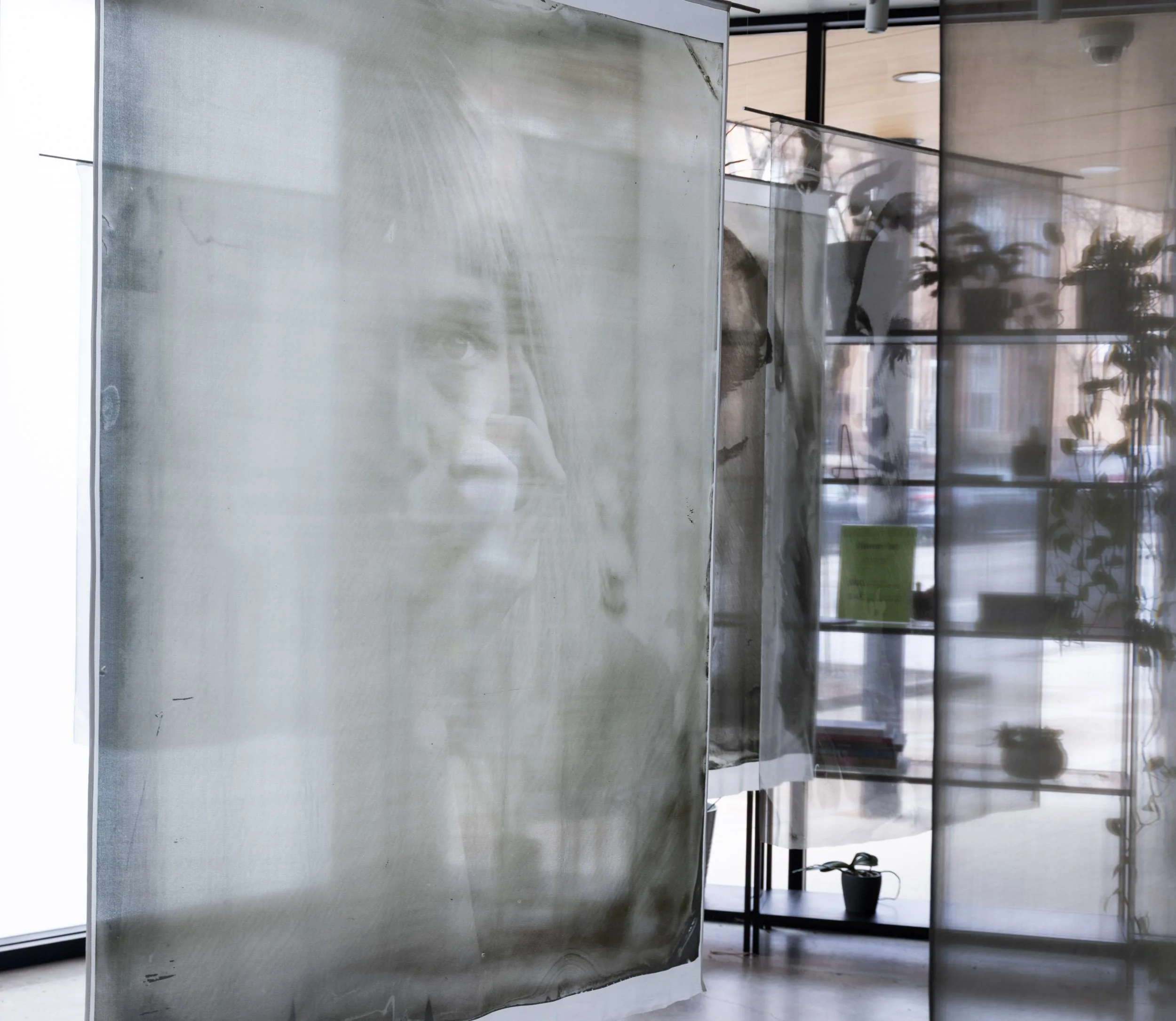
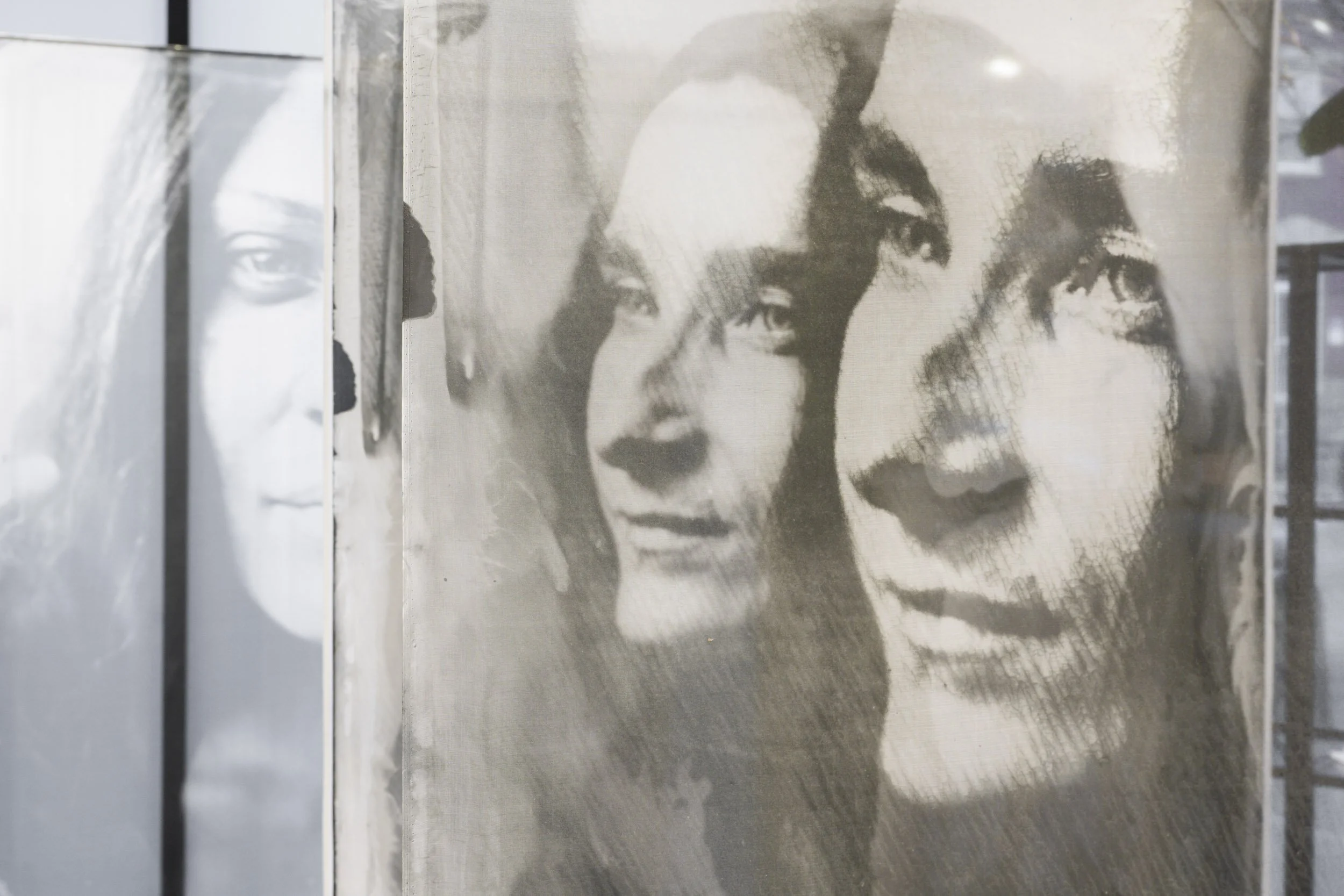
The Me Before The War No Longer Exists: Ukrainian Portraits
The Me Before The War No Longer Exists has grown out of conversations with Ukrainian women living in displacement. Over the past three years, we have created these photographs together across Europe and the United States. Although our experiences of the war are different, our conversations grew from a shared history, cultural memory, and an enduring relationship to home. Each portrait emerged through dialogue, trust, and time spent together. These photographs were never made simply to be seen by others. They were created first for the women themselves, and for one another — as a way of holding onto memory, witnessing change, and recognizing themselves in each other's stories.
The women in these pages do not tell a single story of displacement. Their lives, like the photographs, resist simple conclusions. Together they speak of loss and resilience, of motherhood, friendship, identity, belonging, and the shifting meaning of home.
Alongside the portraits, these photographs consider gardens as places where memory, care, and attention are held. A garden, even when carefully cultivated, is never a fixed landscape. It is shaped by movement, encounter, and adaptation. Seeds travel, plants are transplanted, and new environments become places of growth. A garden carries traces of where it came from while continuously responding to where it has arrived. It exists through both intention and uncertainty , through tending and transformation. In this way , the garden becomes another form of migration — a displaced landscape that holds histories of movement and change. Similarly, the lives of those who have been displaced continue to nurture, create, and form new territories of belonging despite instability . Together, portraits and gardens explore belonging not as a fixed location, but as something living, relational, and continuously tended.
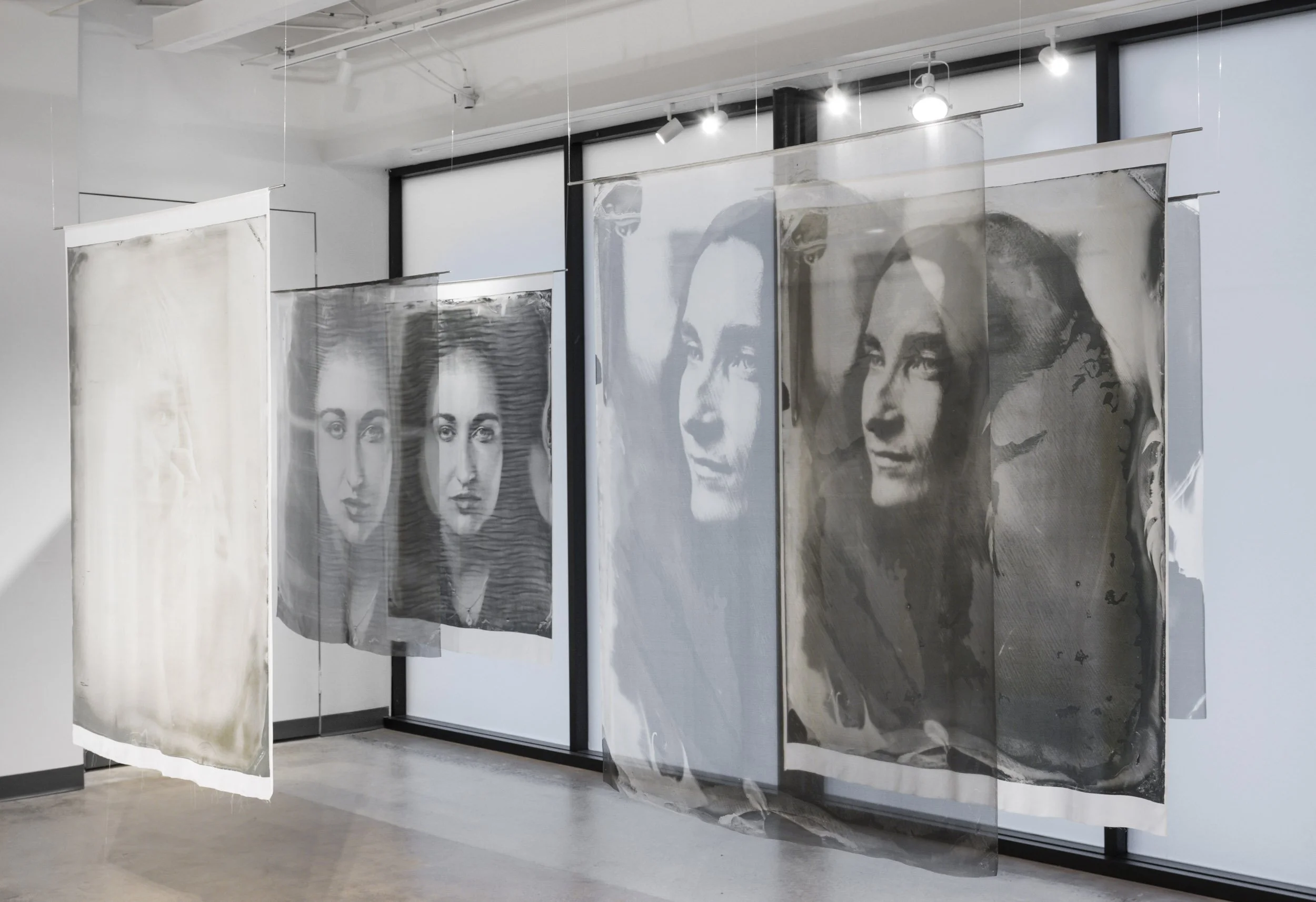
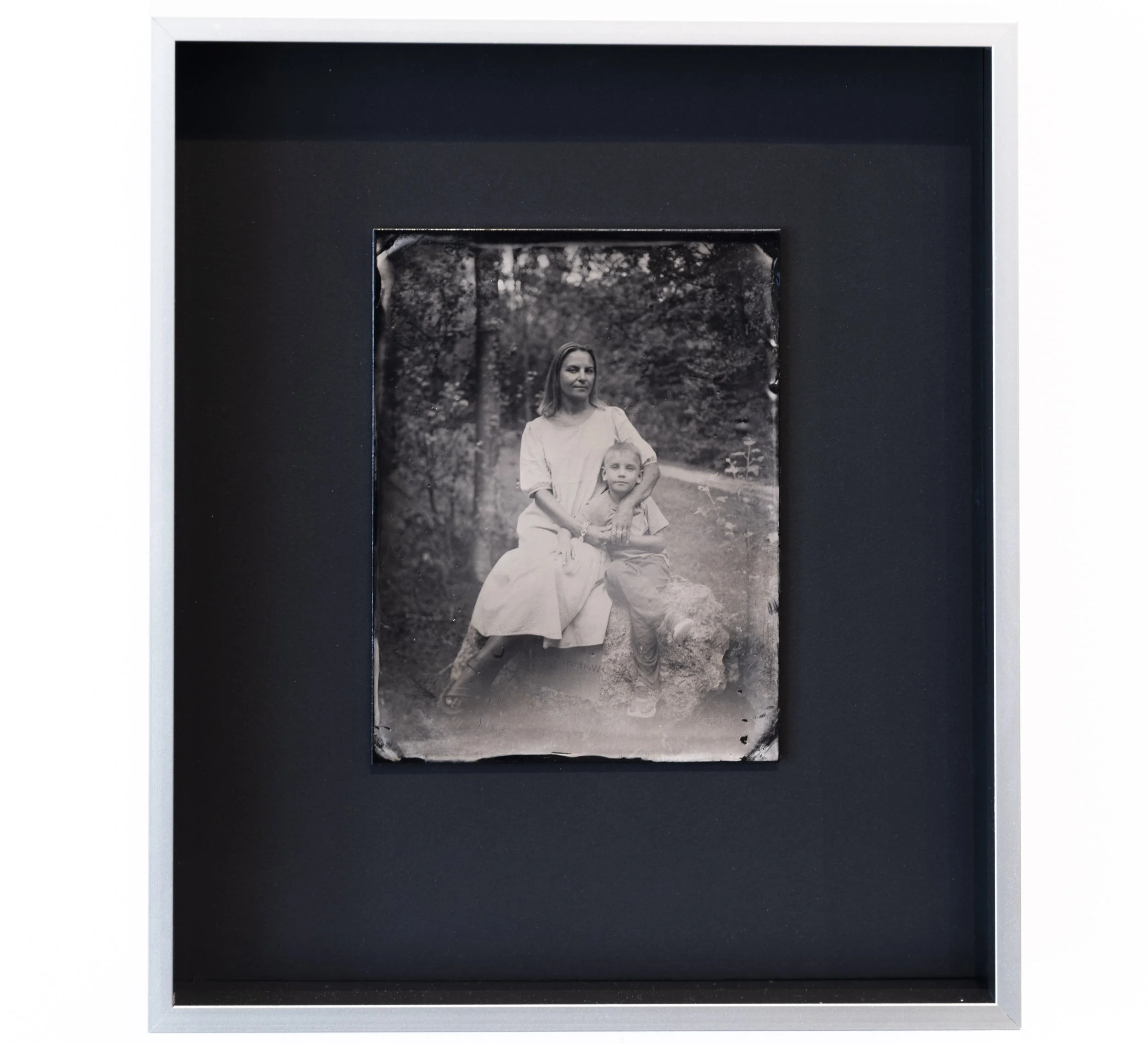
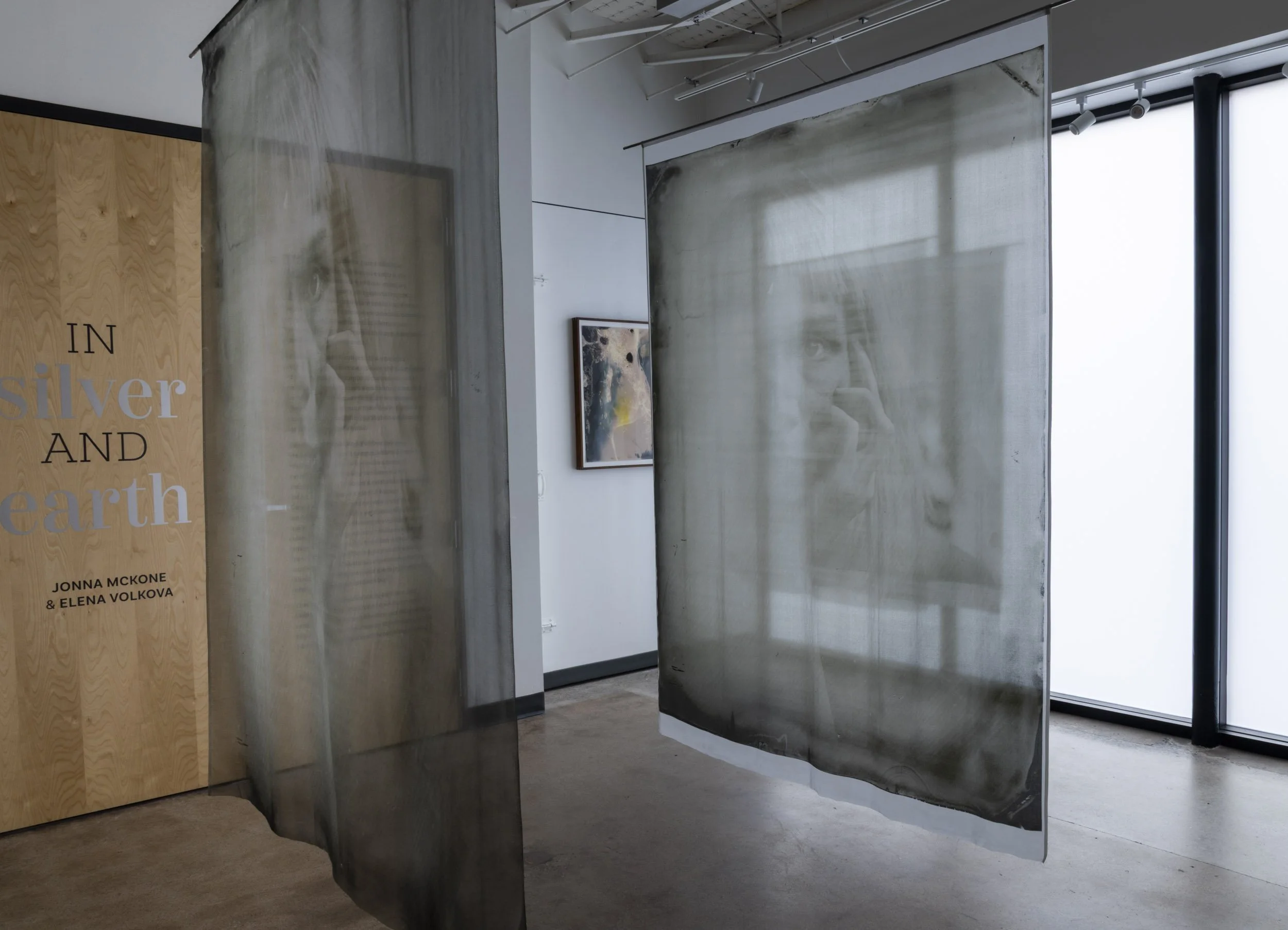
The portraits were made using the historic wet plate collodion process. Slow, tactile, and never fully predictable, the process resists complete control. Each image emerges through chance, uncertainty, and collaboration, echoing lives reshaped by displacement yet continually unfolding through resilience, care, and connection. The photographs of gardens were made on color film, with a vintage camera that renders them soft, and only partly visible as they are made — an image that, like a garden itself, is never fully in focus or fully under control until it has had time to grow.
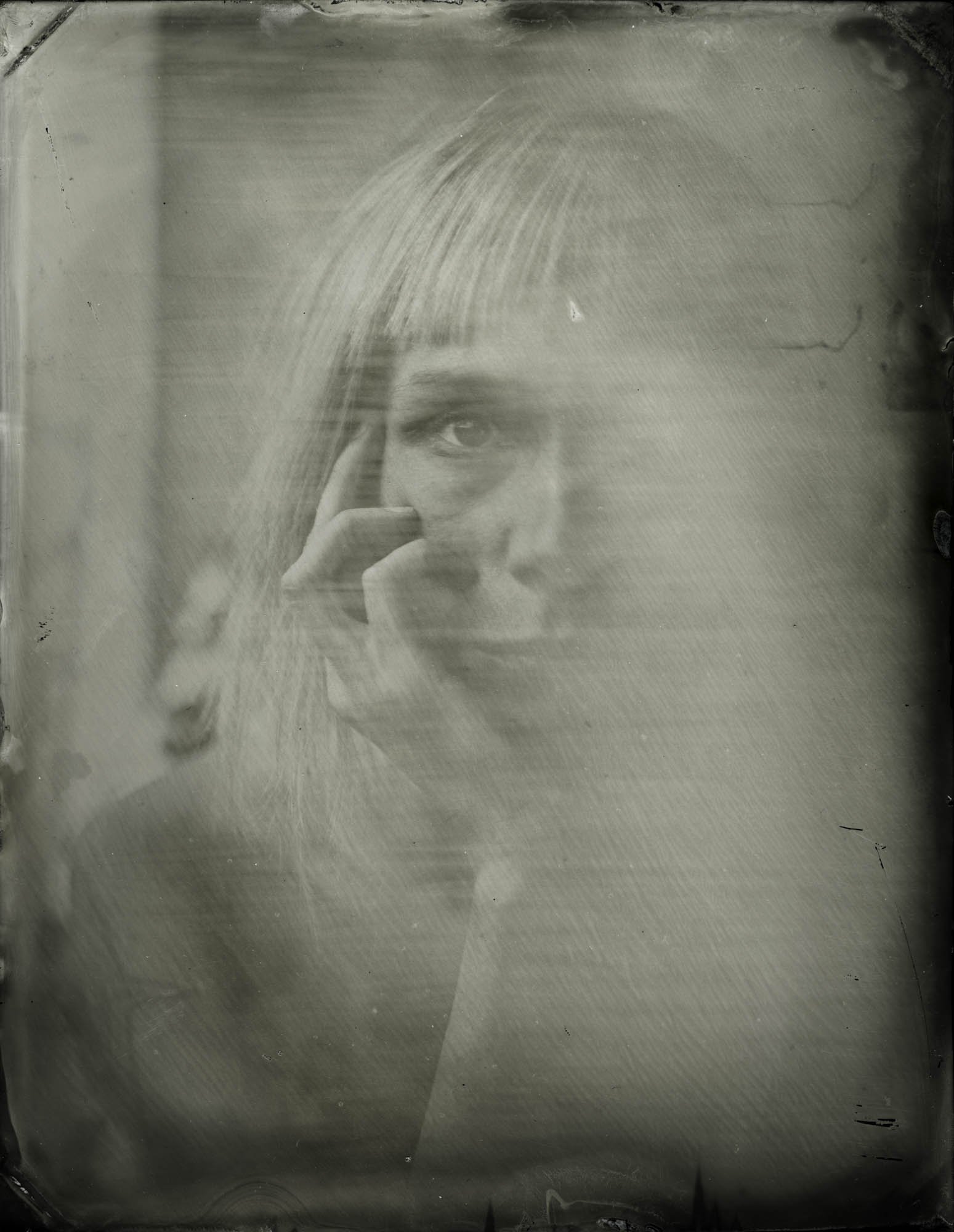
Nina, wet plate collodion, 10x12cm, 2023
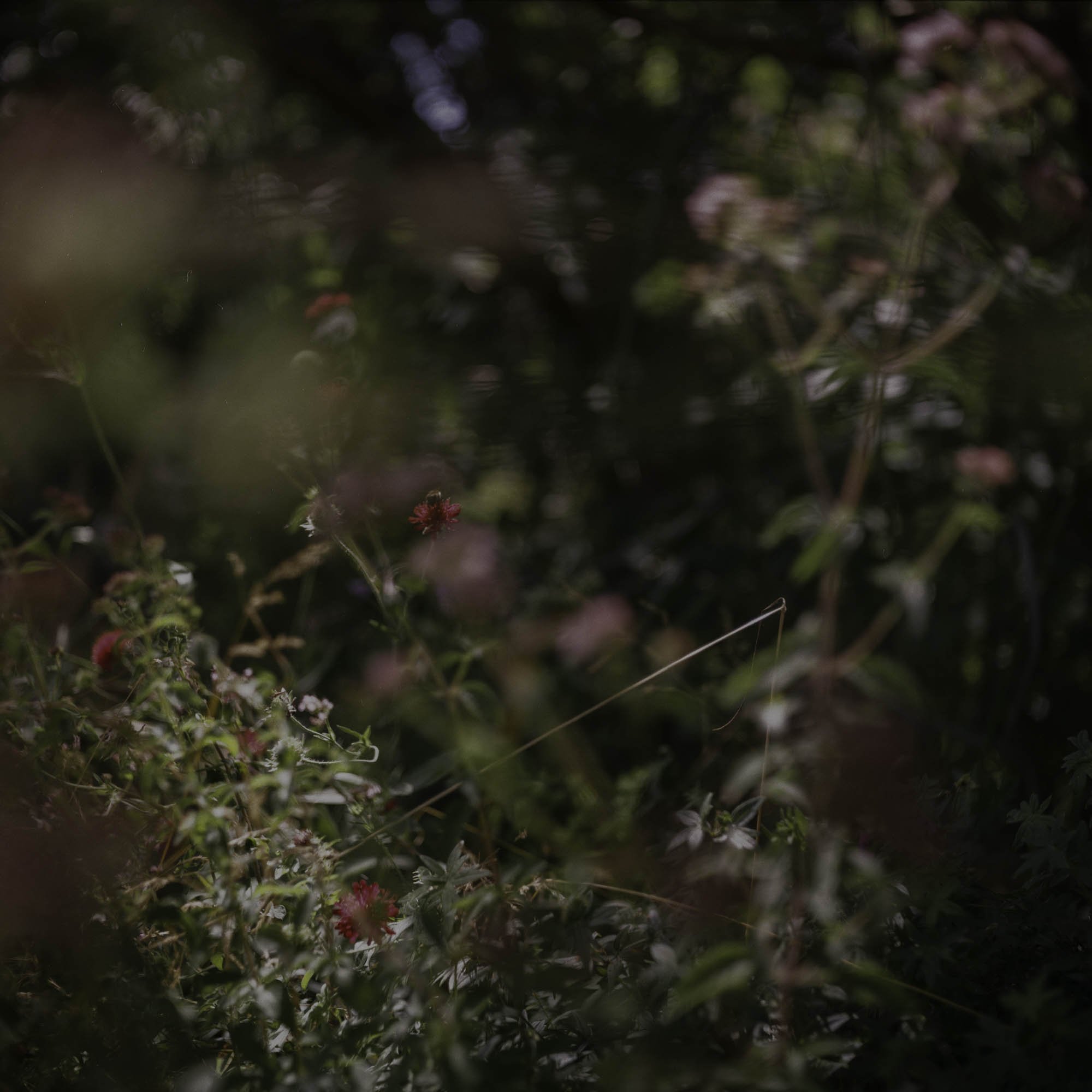
Untitled, archival pigment print, 40x40, 2026
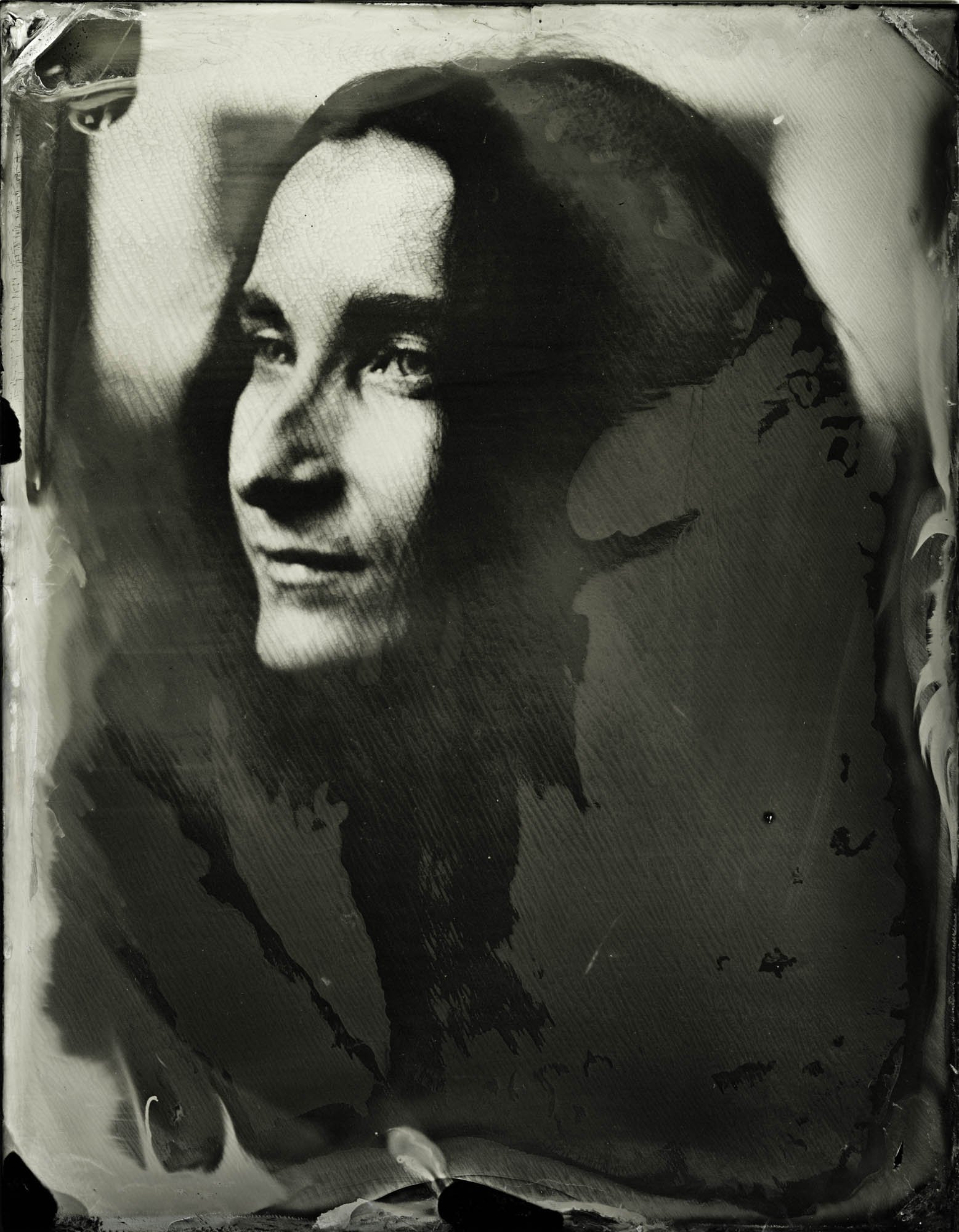
Alina, wet plate collodion, 10x12cm, 2023
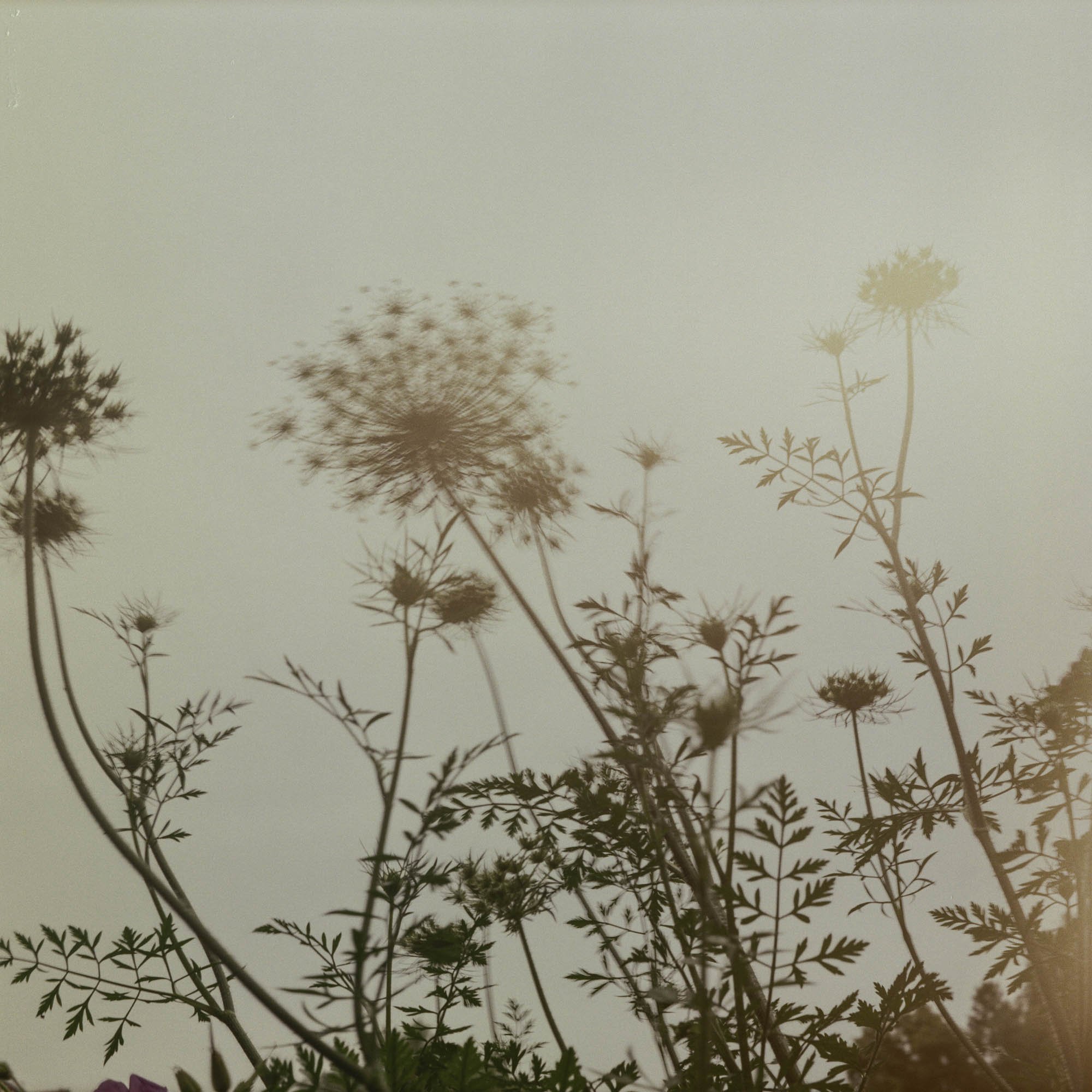
Untitled, archival pigment print, 40x40, 2026
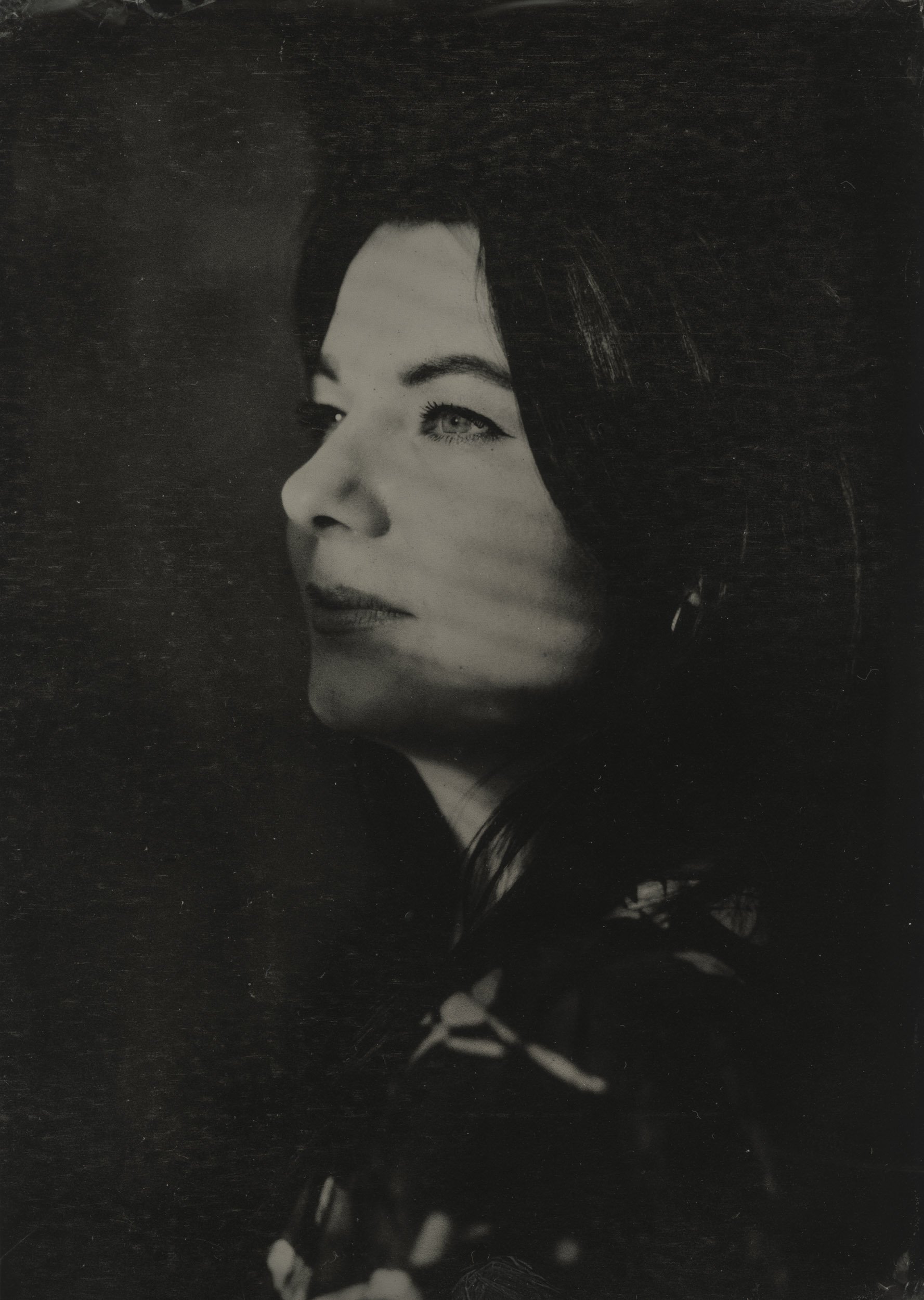
Alina, tintype from a digital image, 12x17cm, 2025
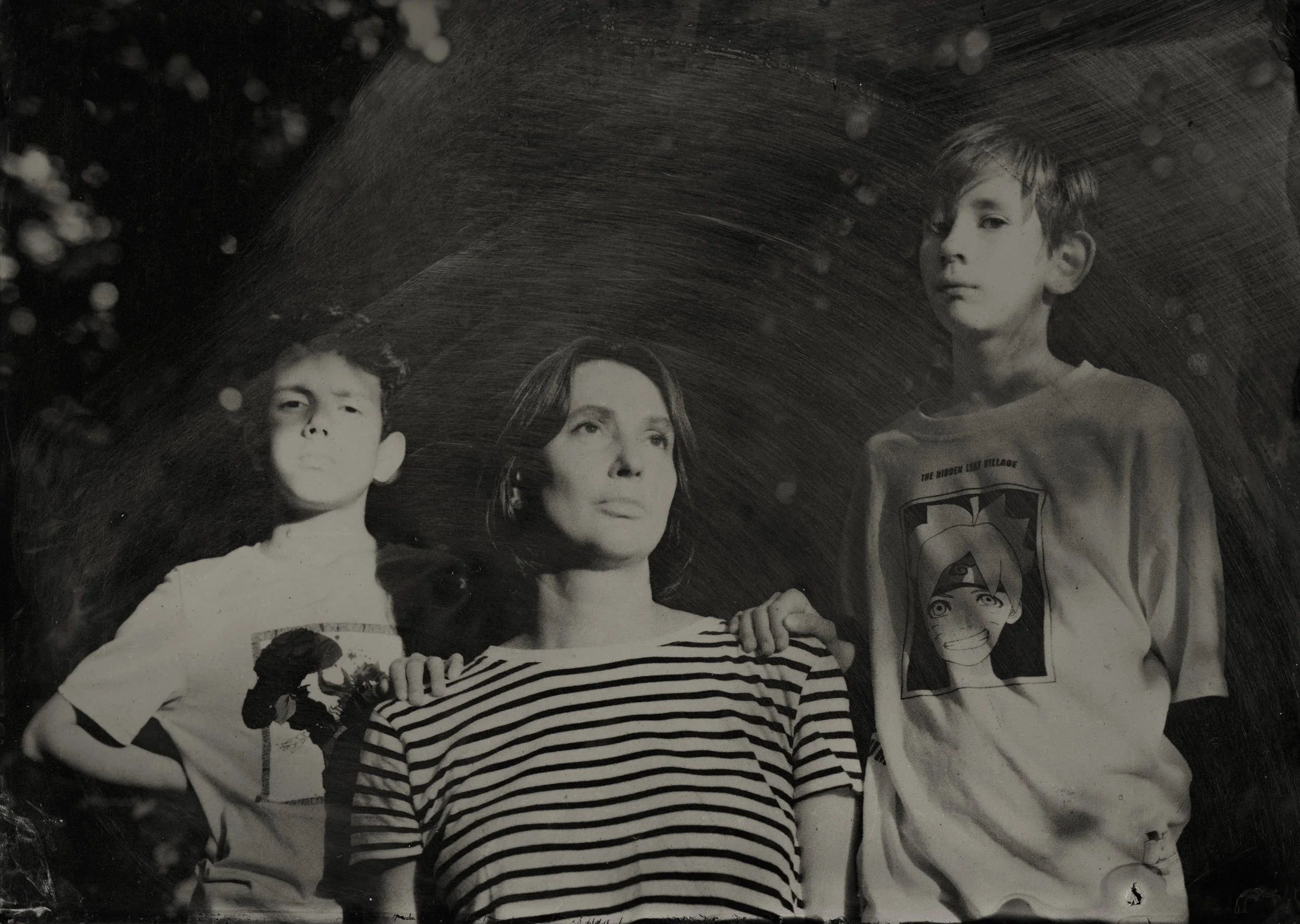
Elia, tintype from a digital image, 12x17cm, 2025
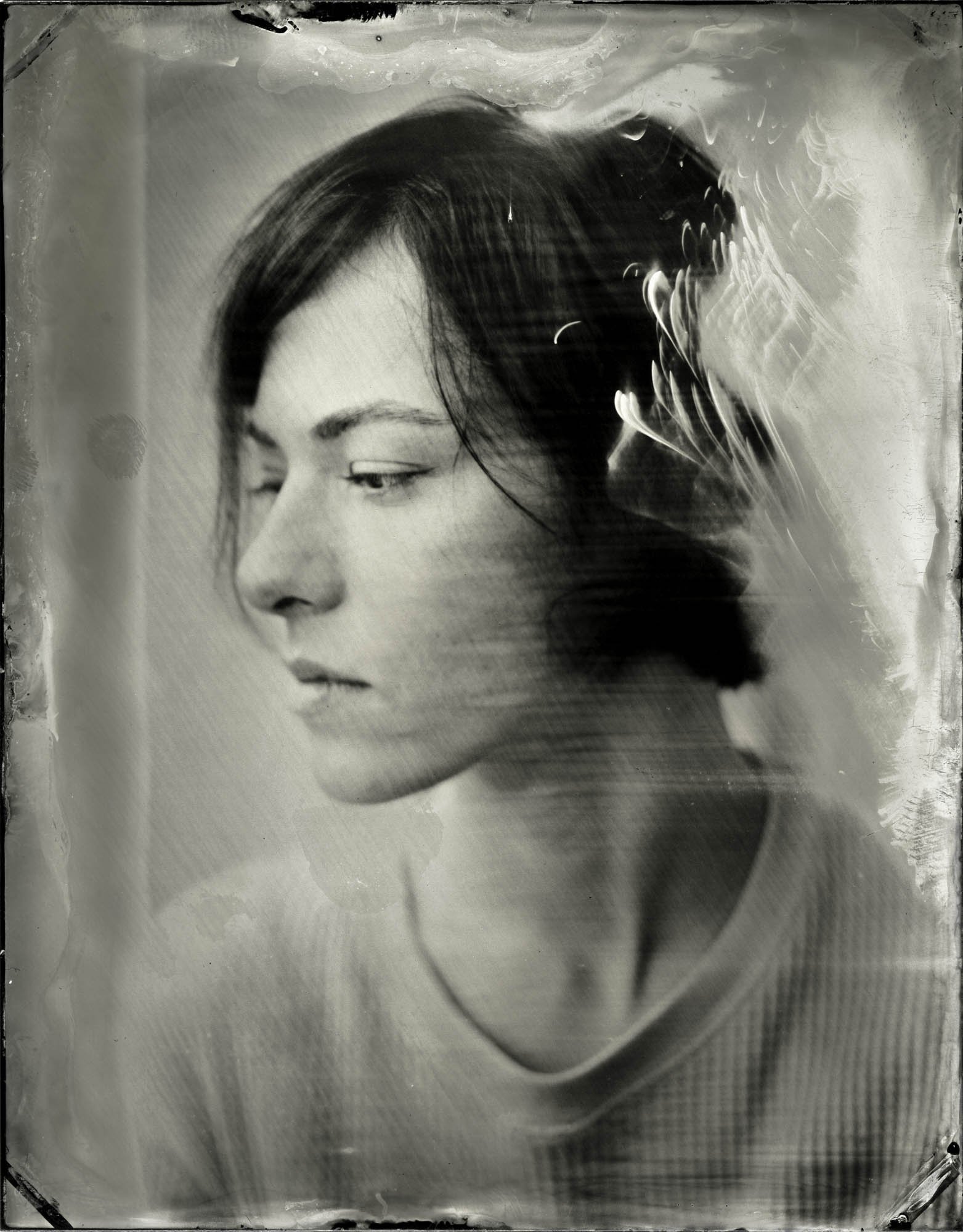
Anastasia, wet plate collodion, 10x12cm, 2023
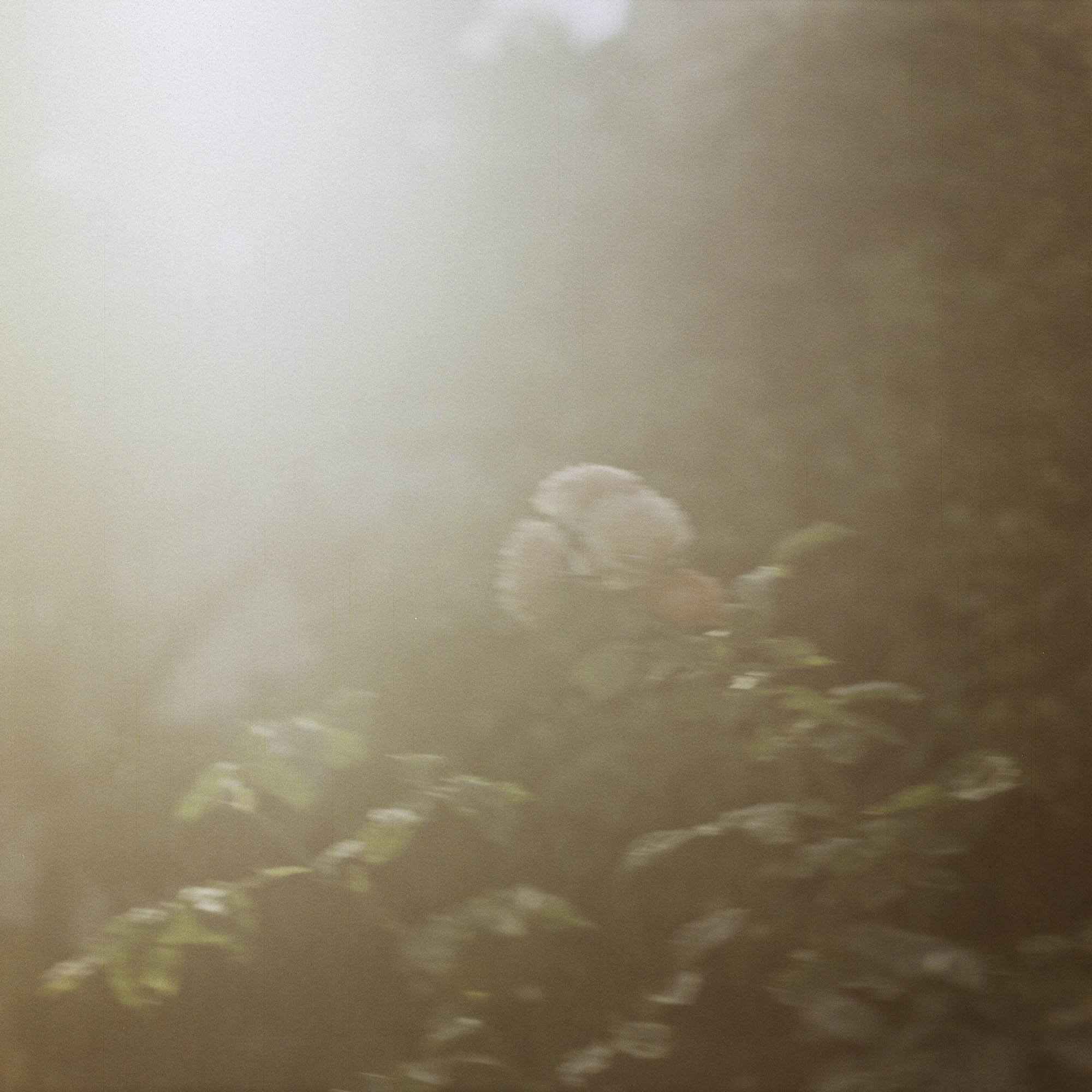
Untitled, archival pigment print, 40x40, 2026
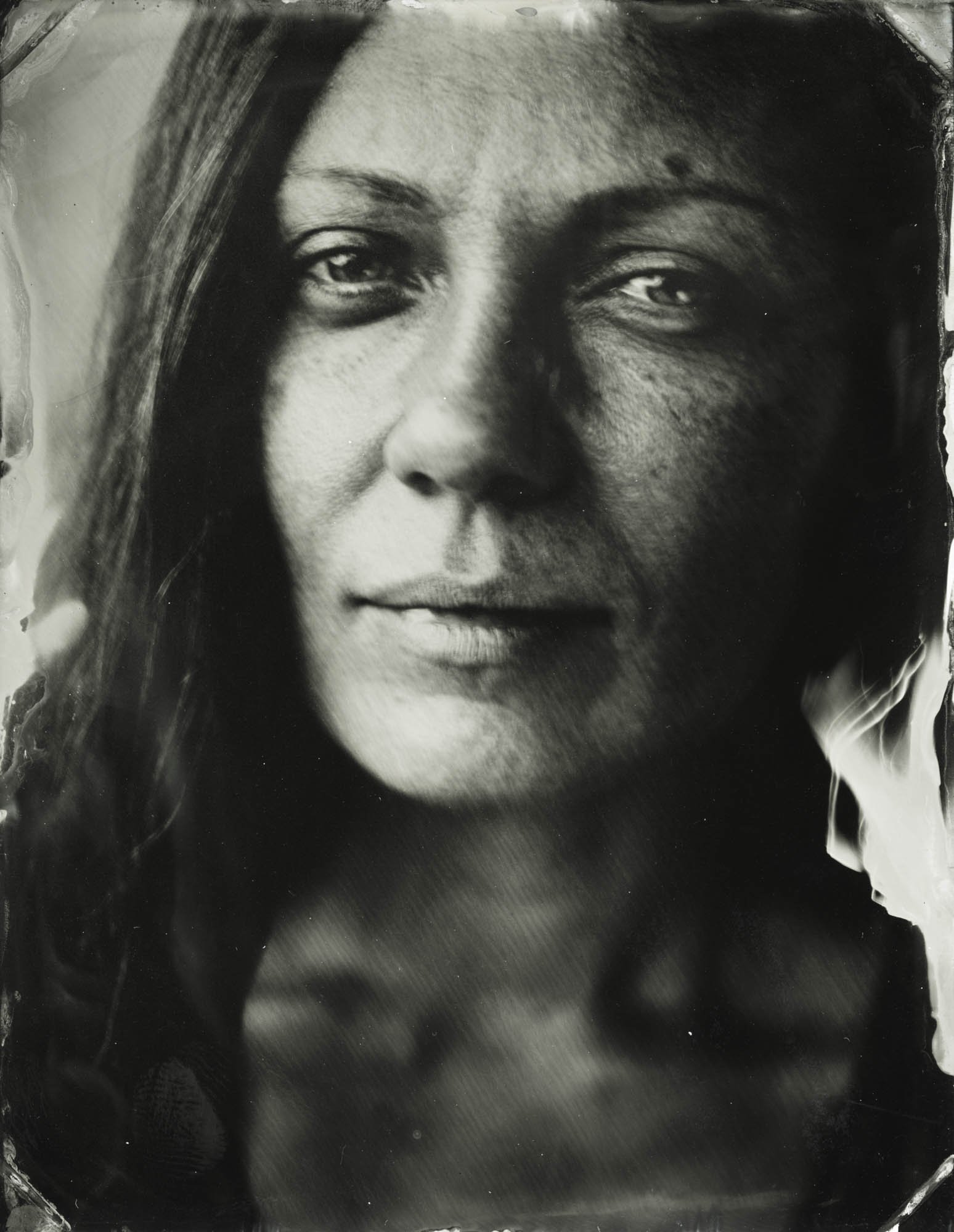
Maryna, wet plate collodion, 10x12cm, 2023
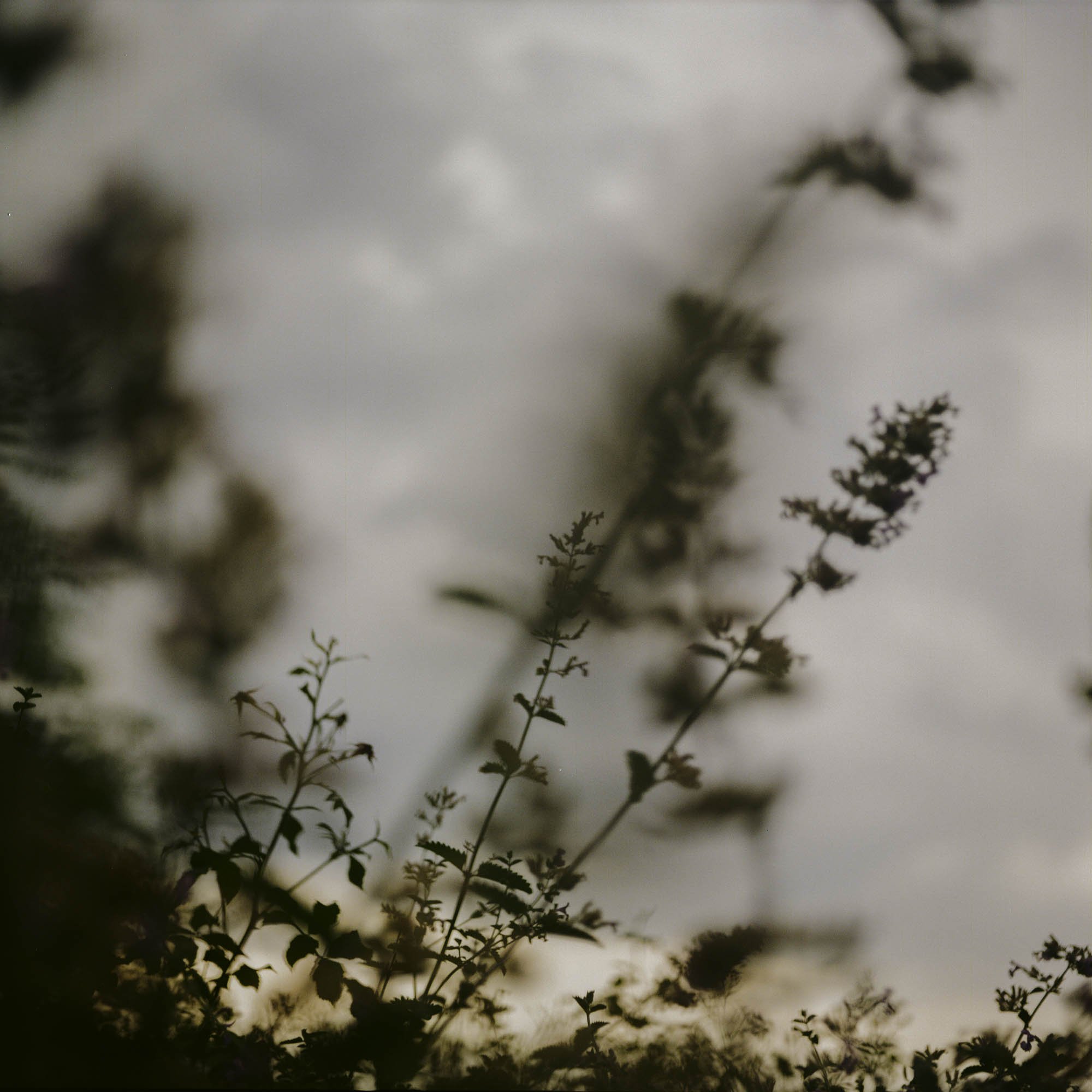
Untitled, archival pigment print, 40x40, 2026
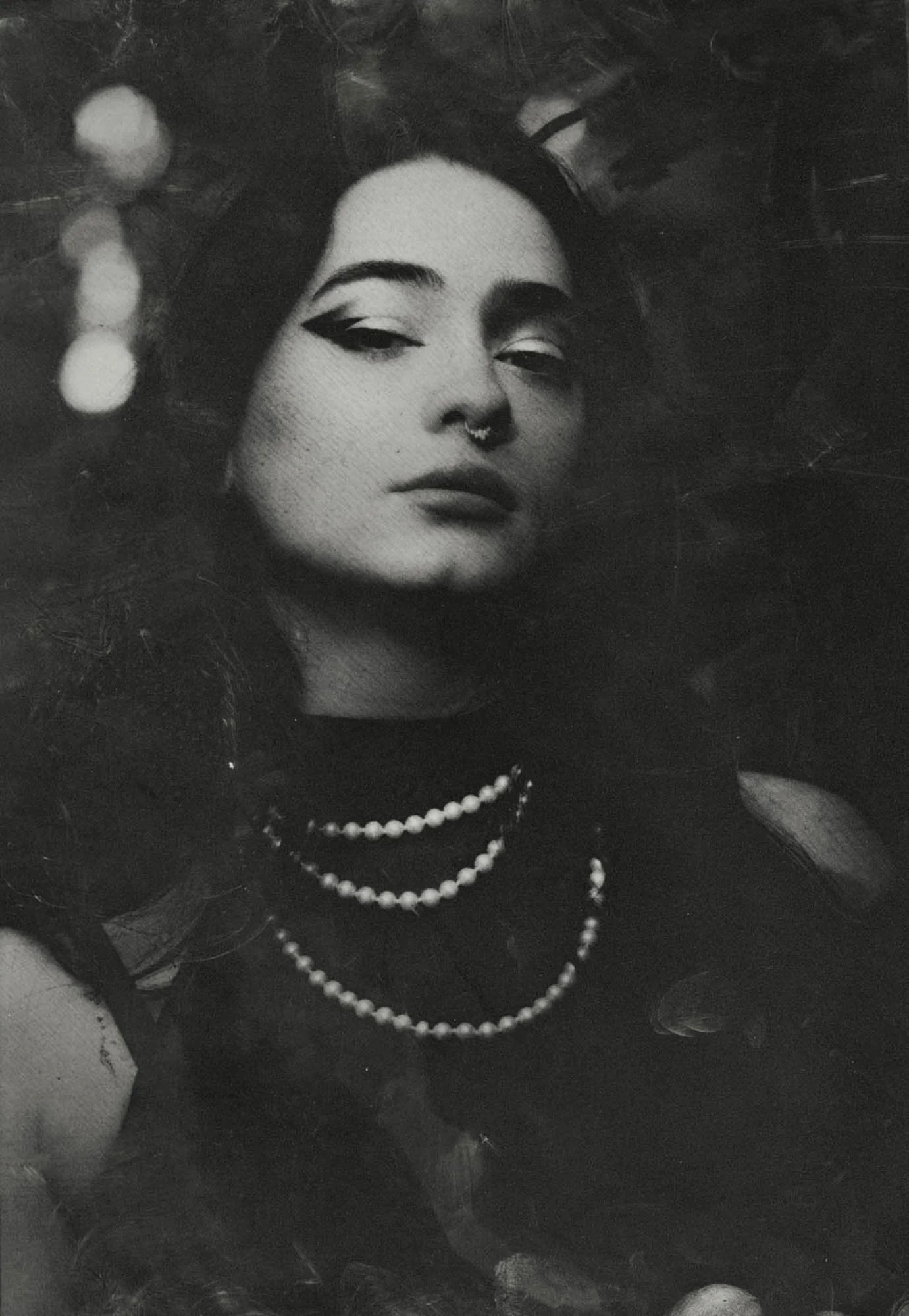
Aliona, tintype from a digital image, 12x17cm, 2025
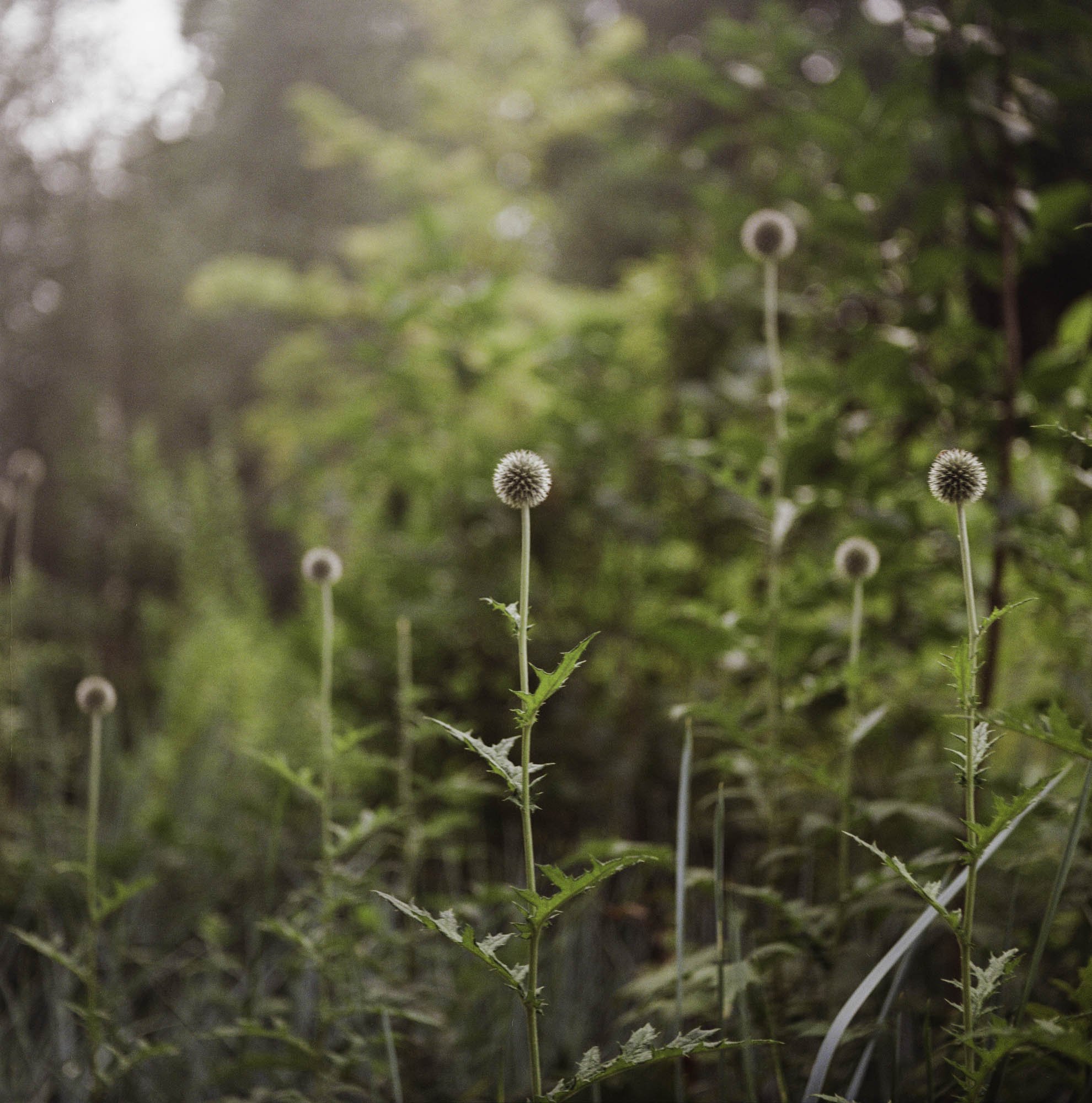
Untitled, archival pigment print, 40x40, 2026
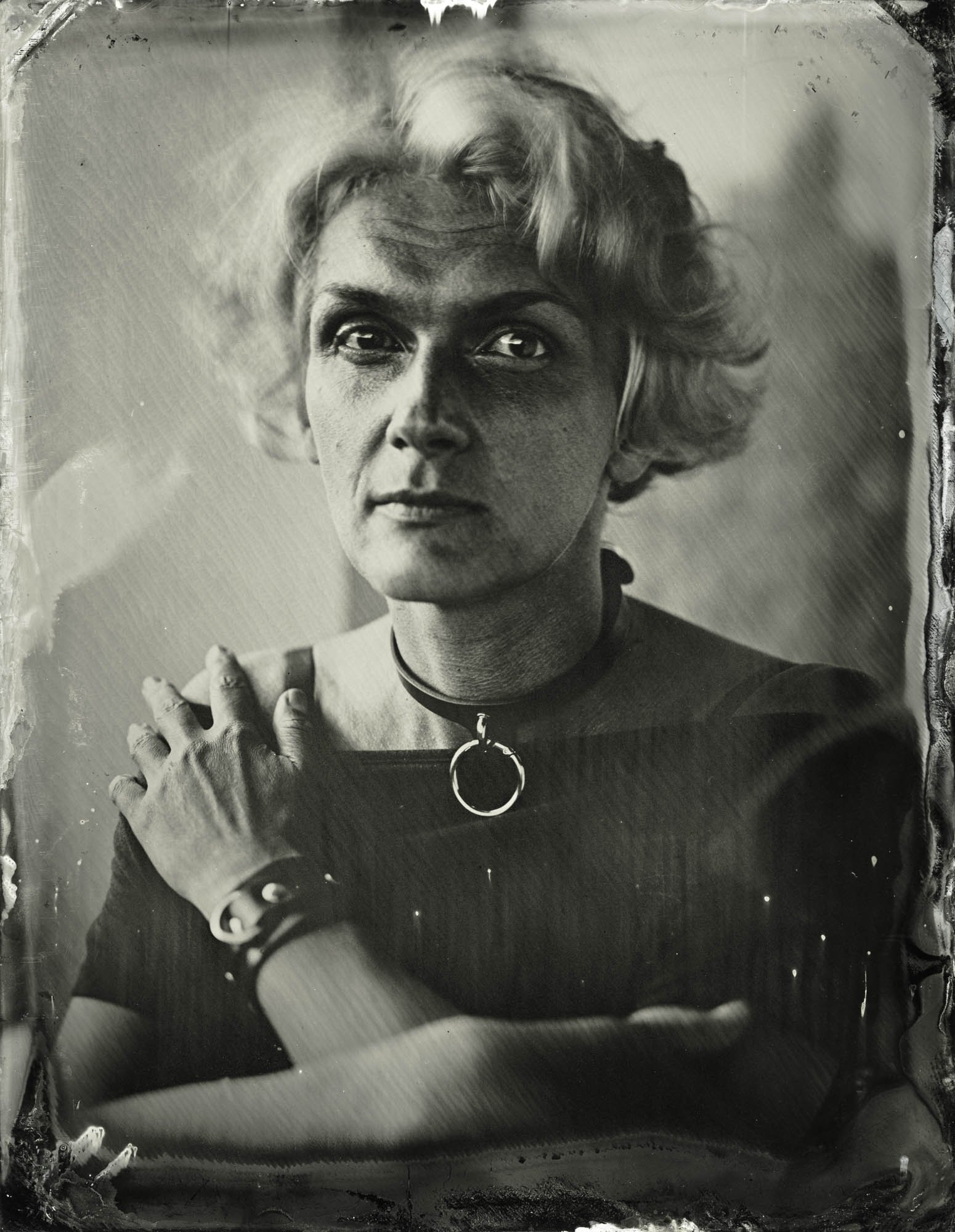
Iva, wet plate collodion, 10x12cm, 2023
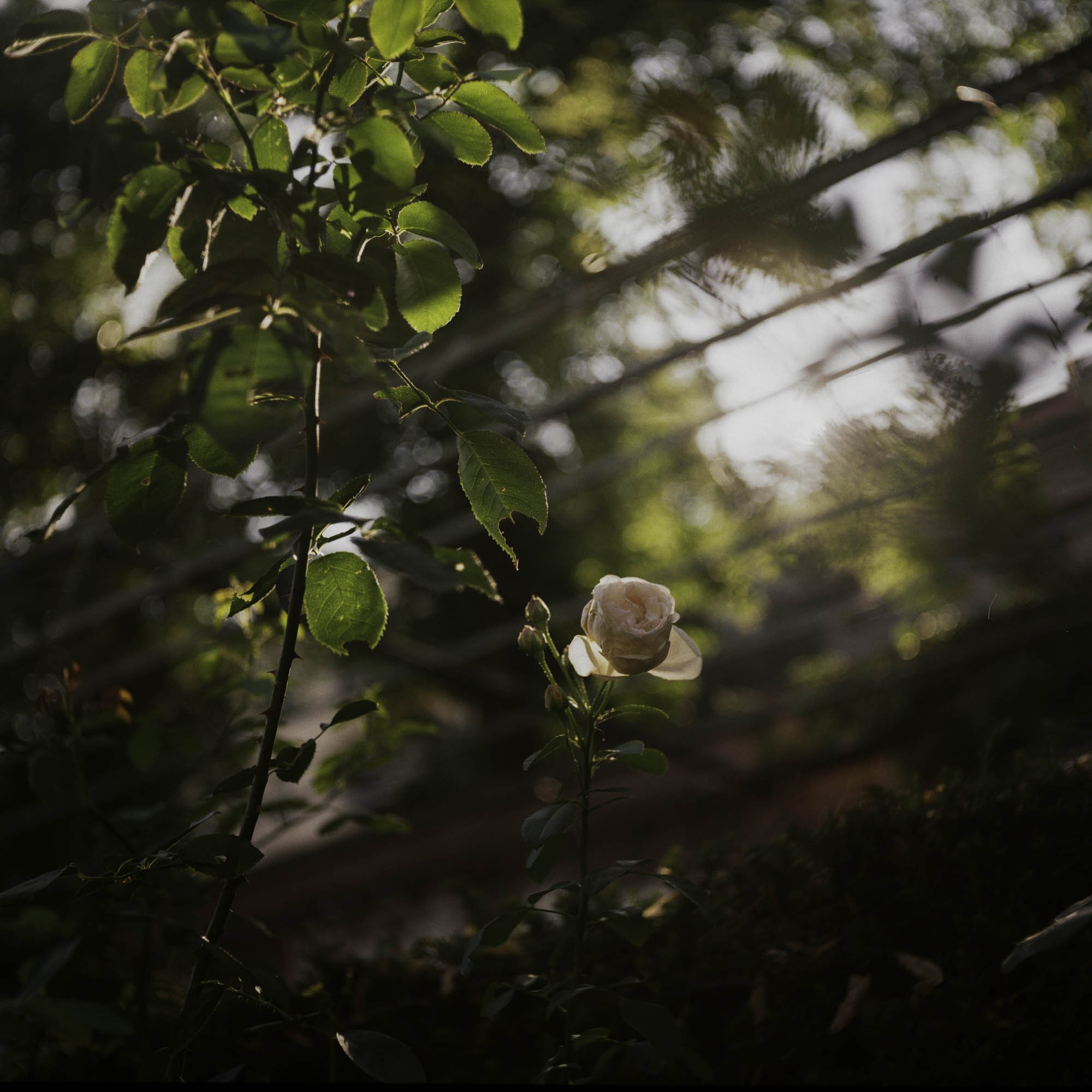
Untitled, archival pigment print, 40x40, 2026
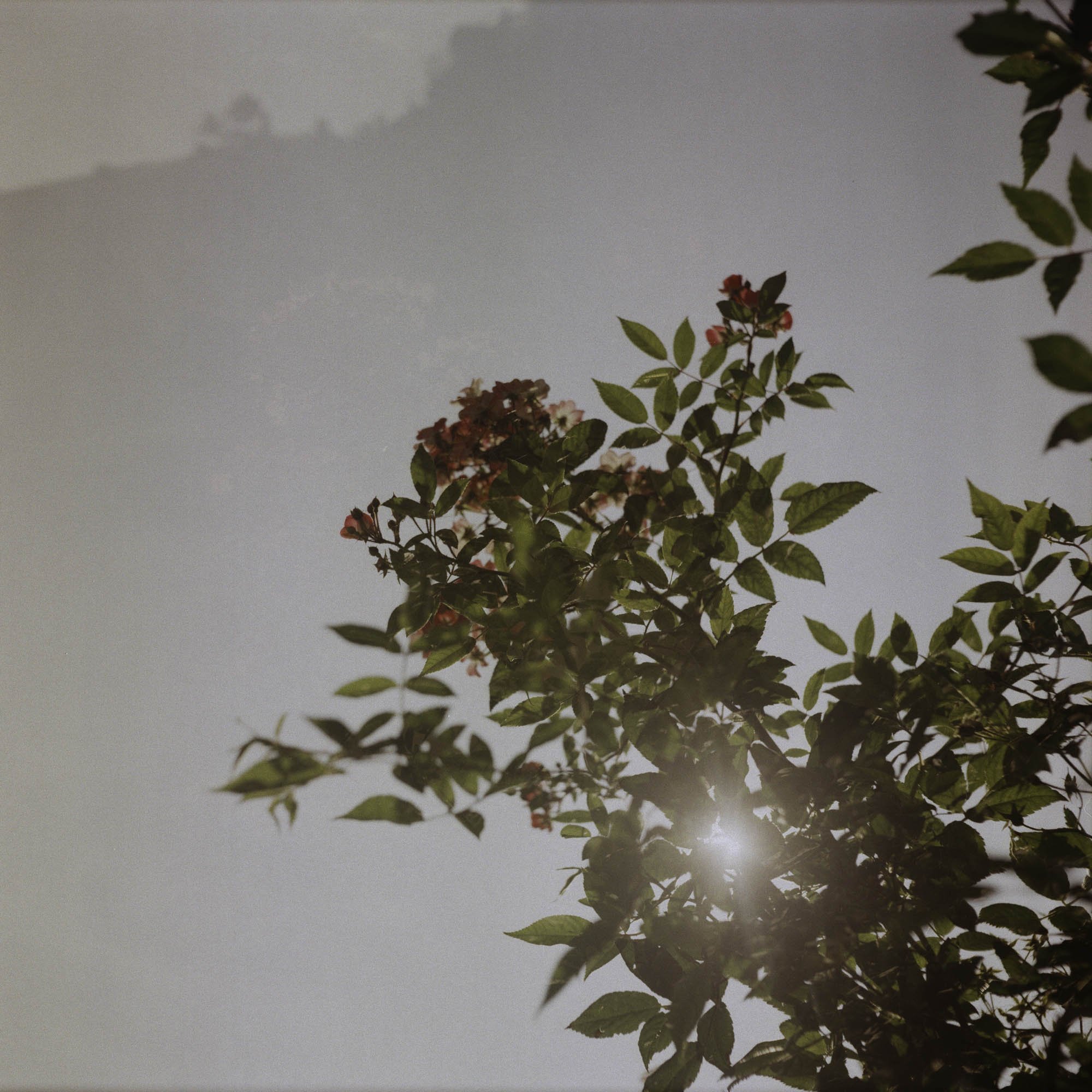
Untitled, archival pigment print, 40x40, 2026
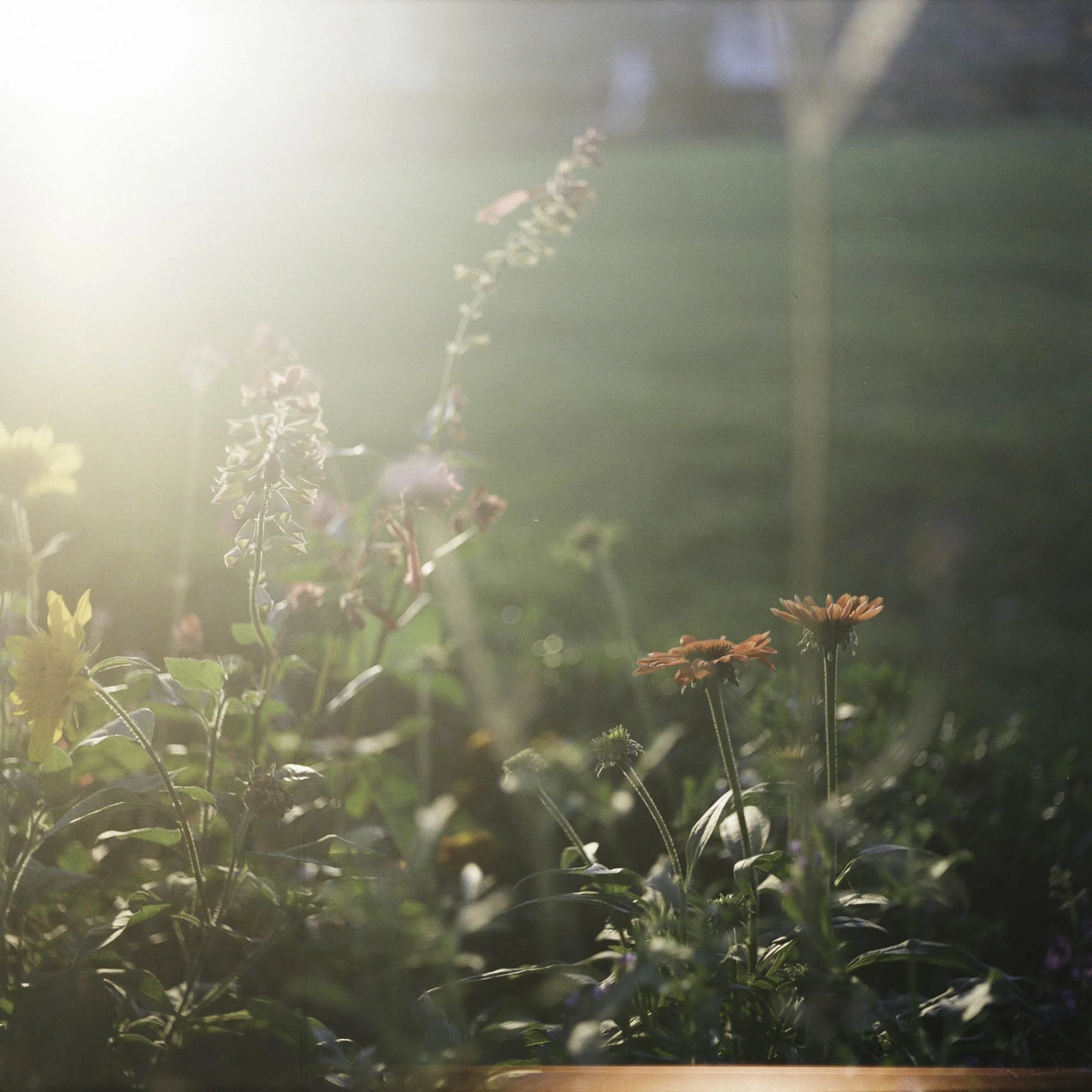
Untitled, archival pigment print, 40x40, 2026
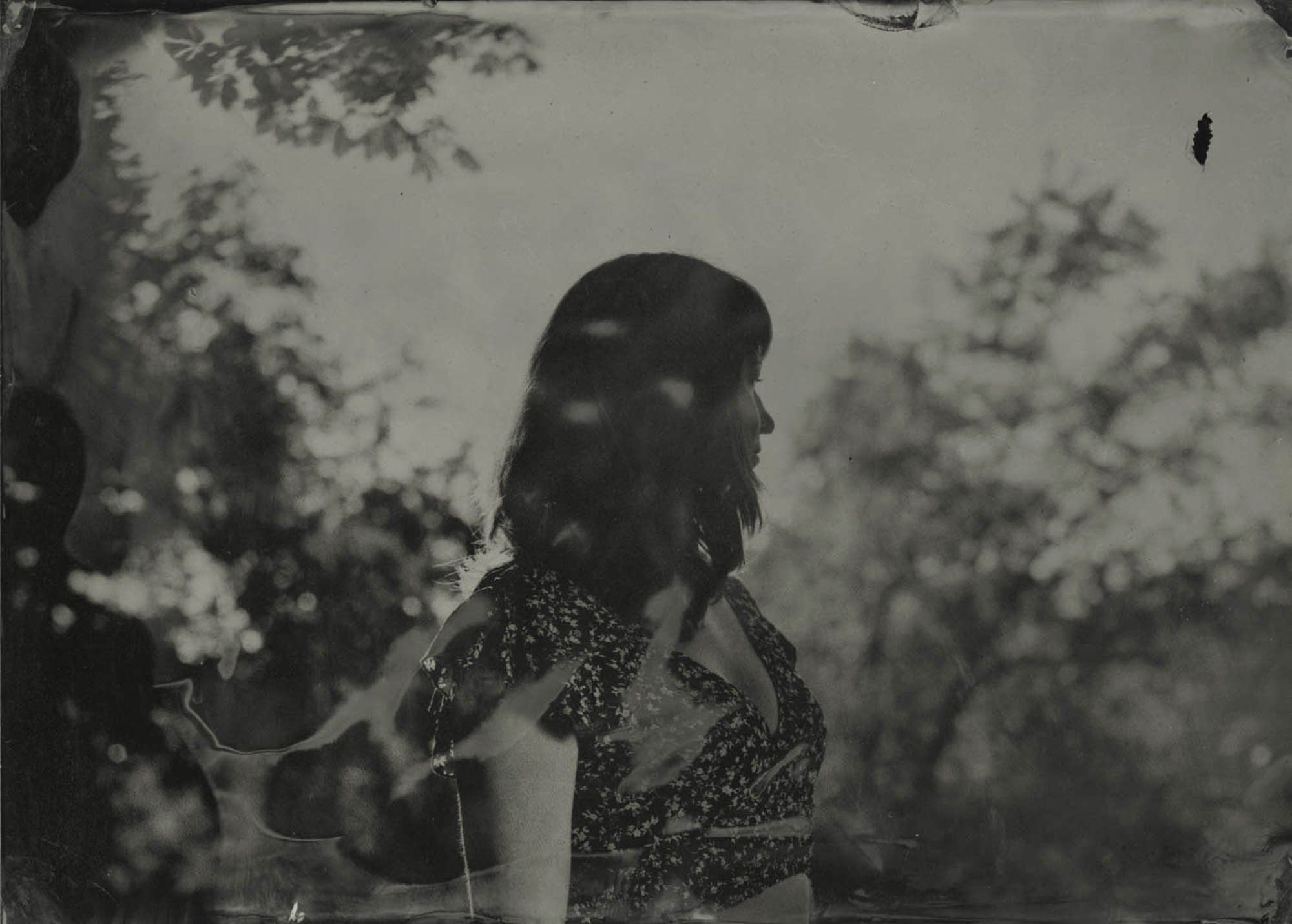
Jenia, tintype from a digital image, 12x17cm, 2025
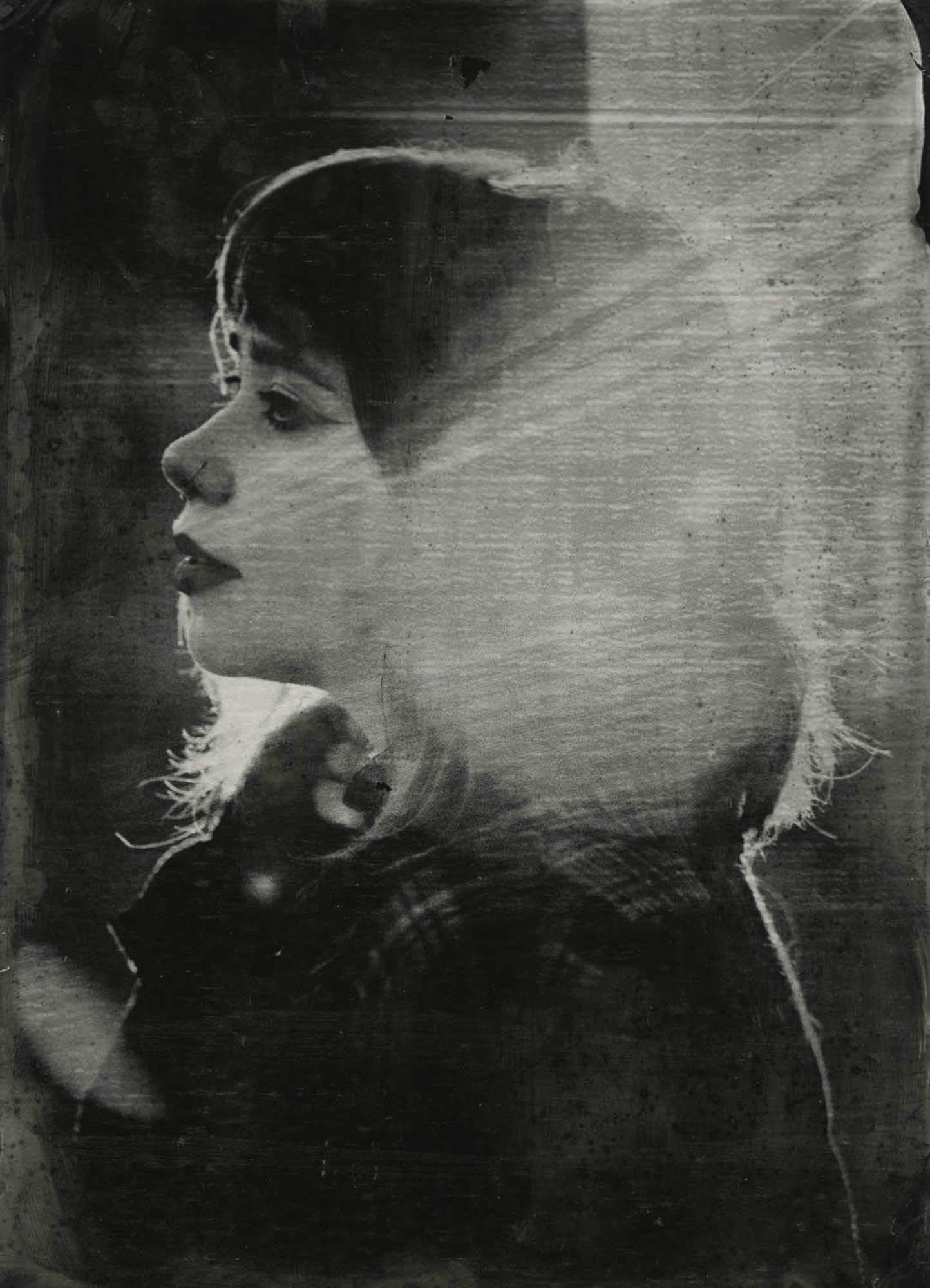
Sasha, tintype from a digital image, 12x17cm, 2025
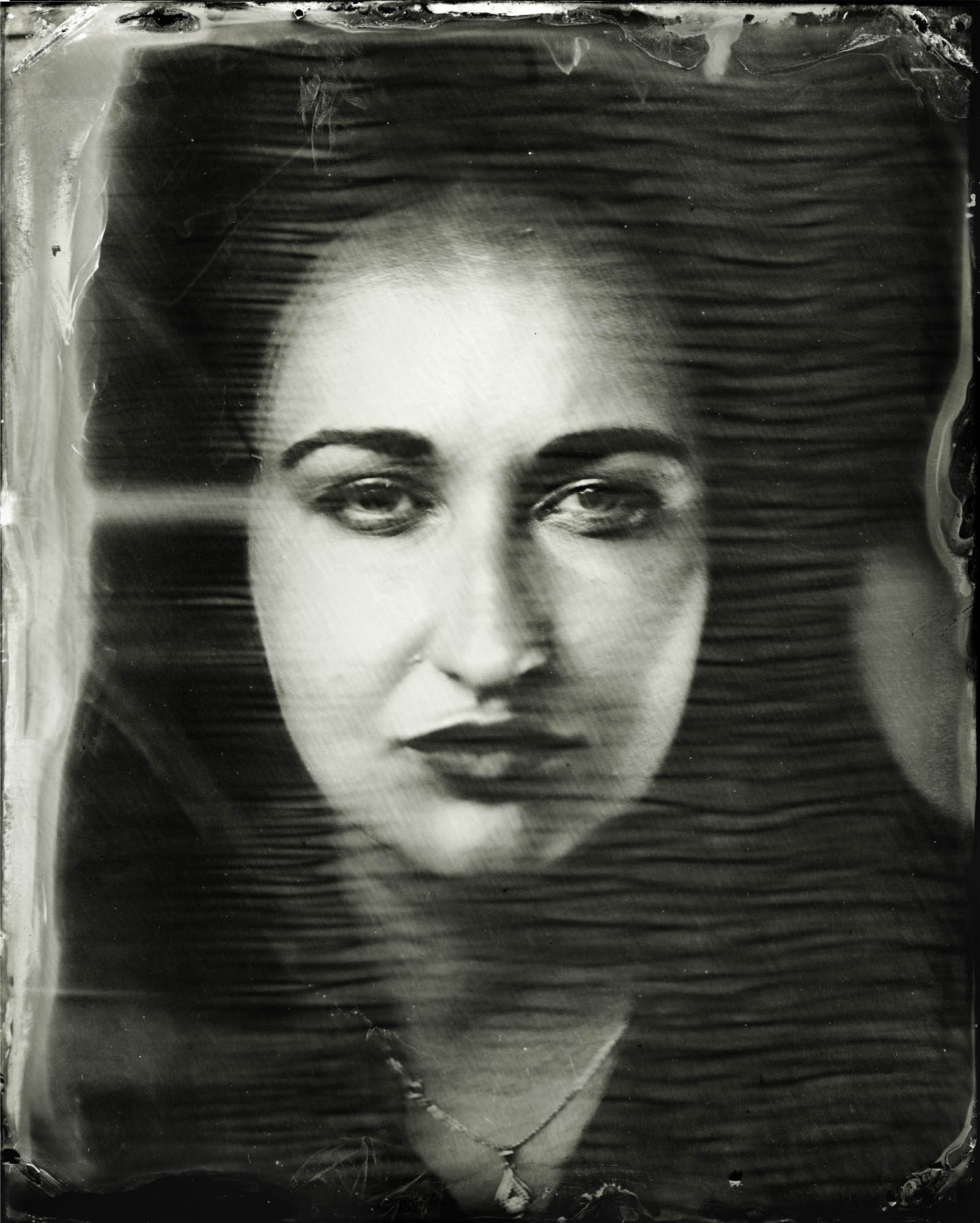
Daria, wet plate collodion, 10x12cm, 2023
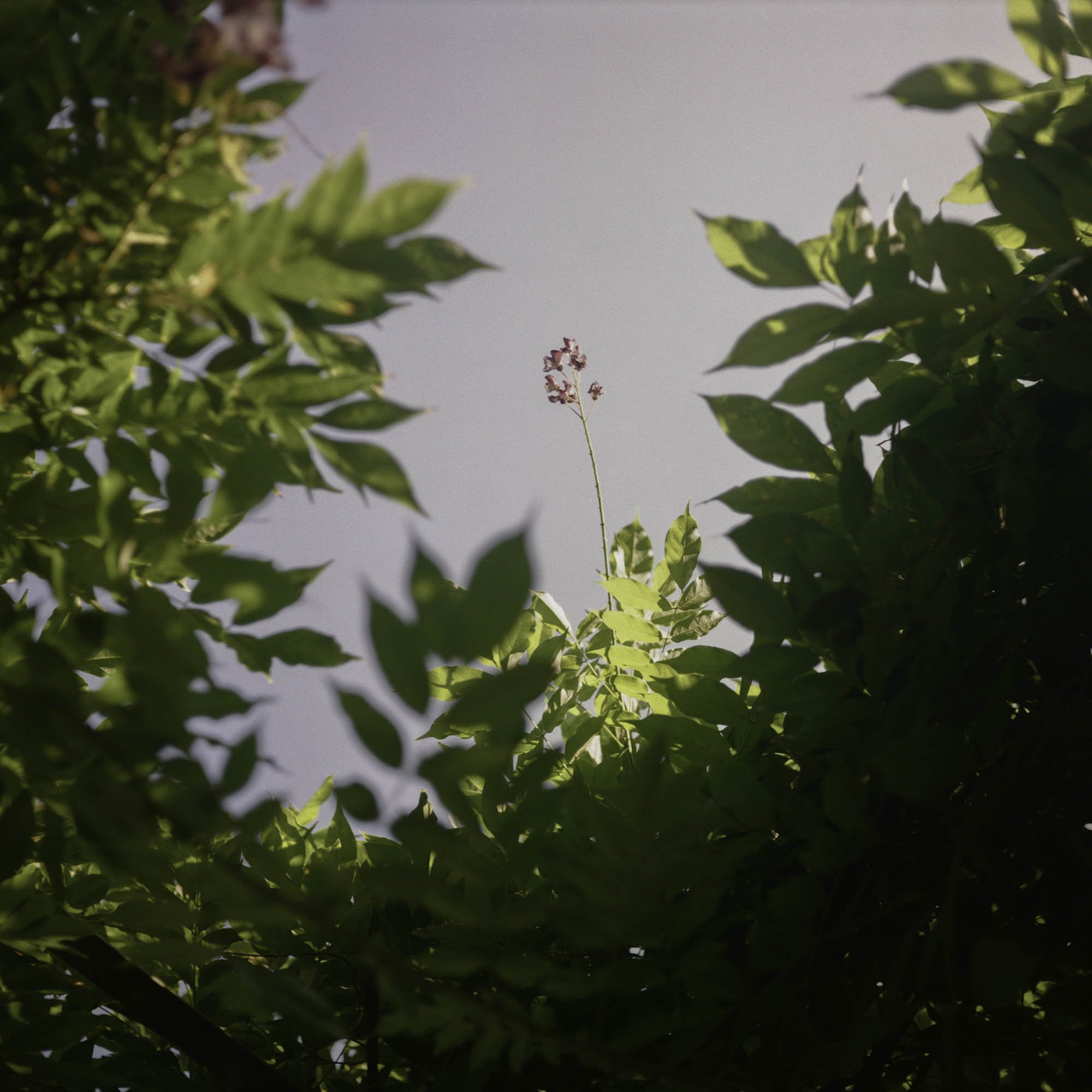
Untitled, archival pigment print, 40x40, 2026
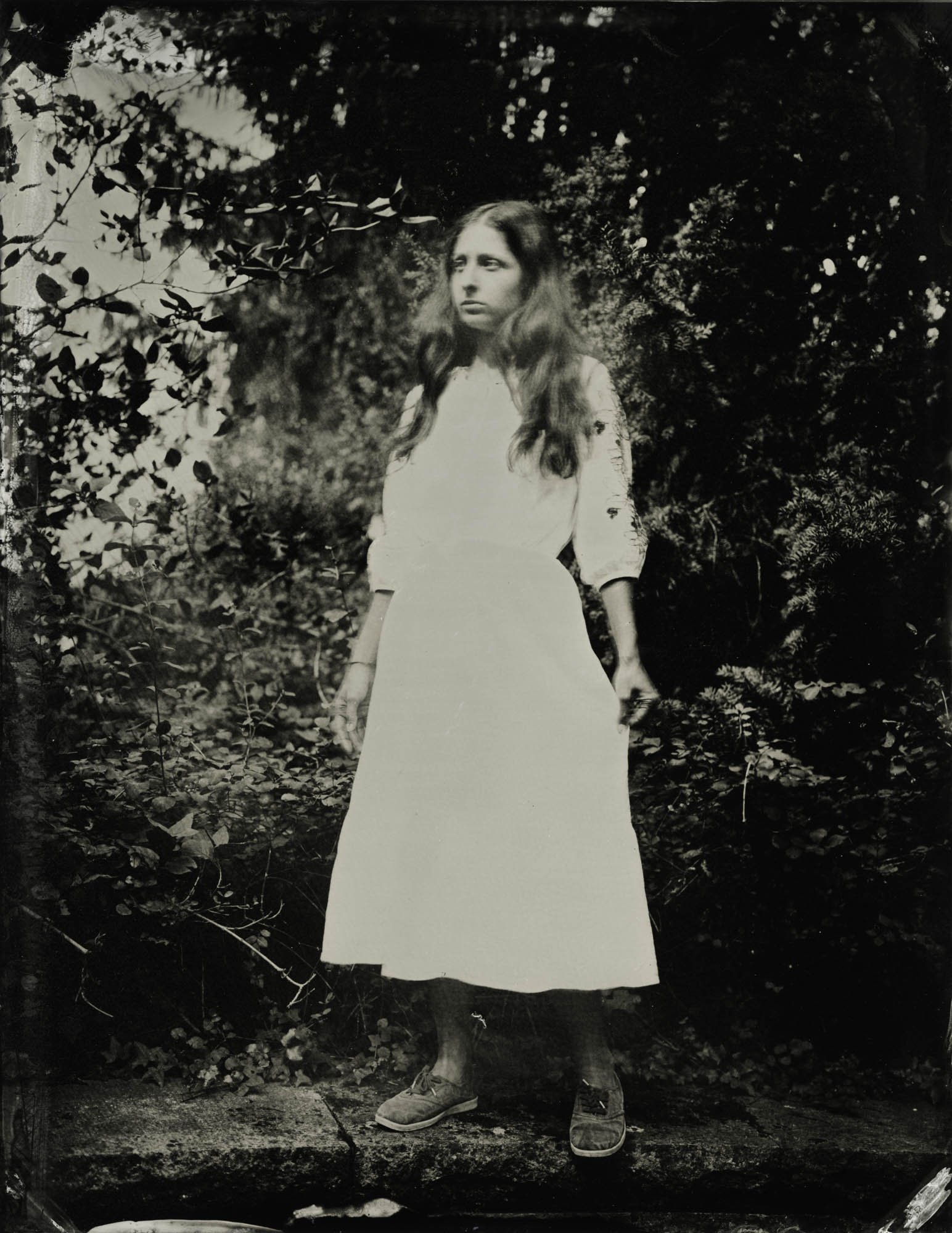
Alina, wet plate collodion, 10x12cm, 2024
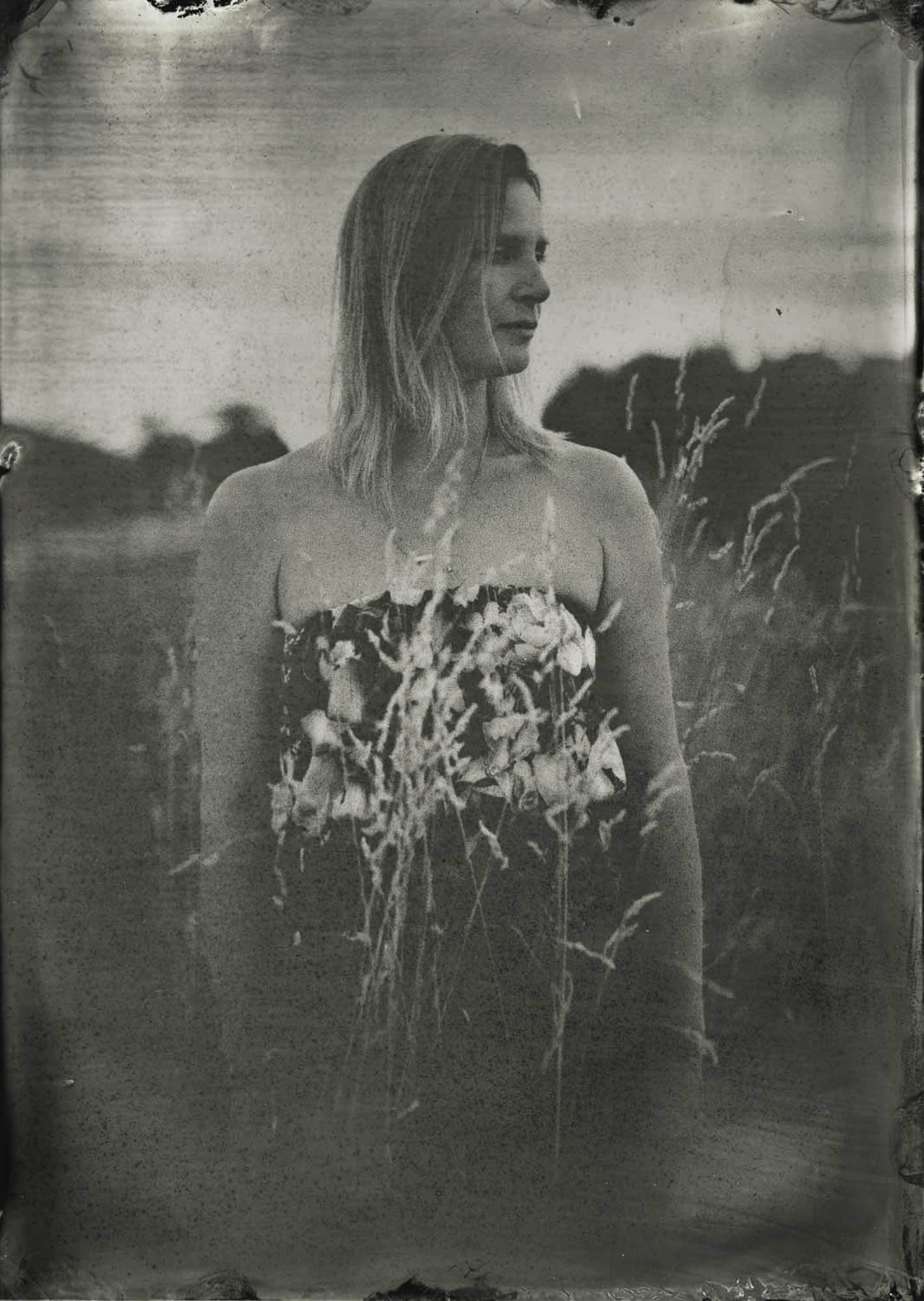
Natasha, wet plate collodion, 10x12cm, 2023
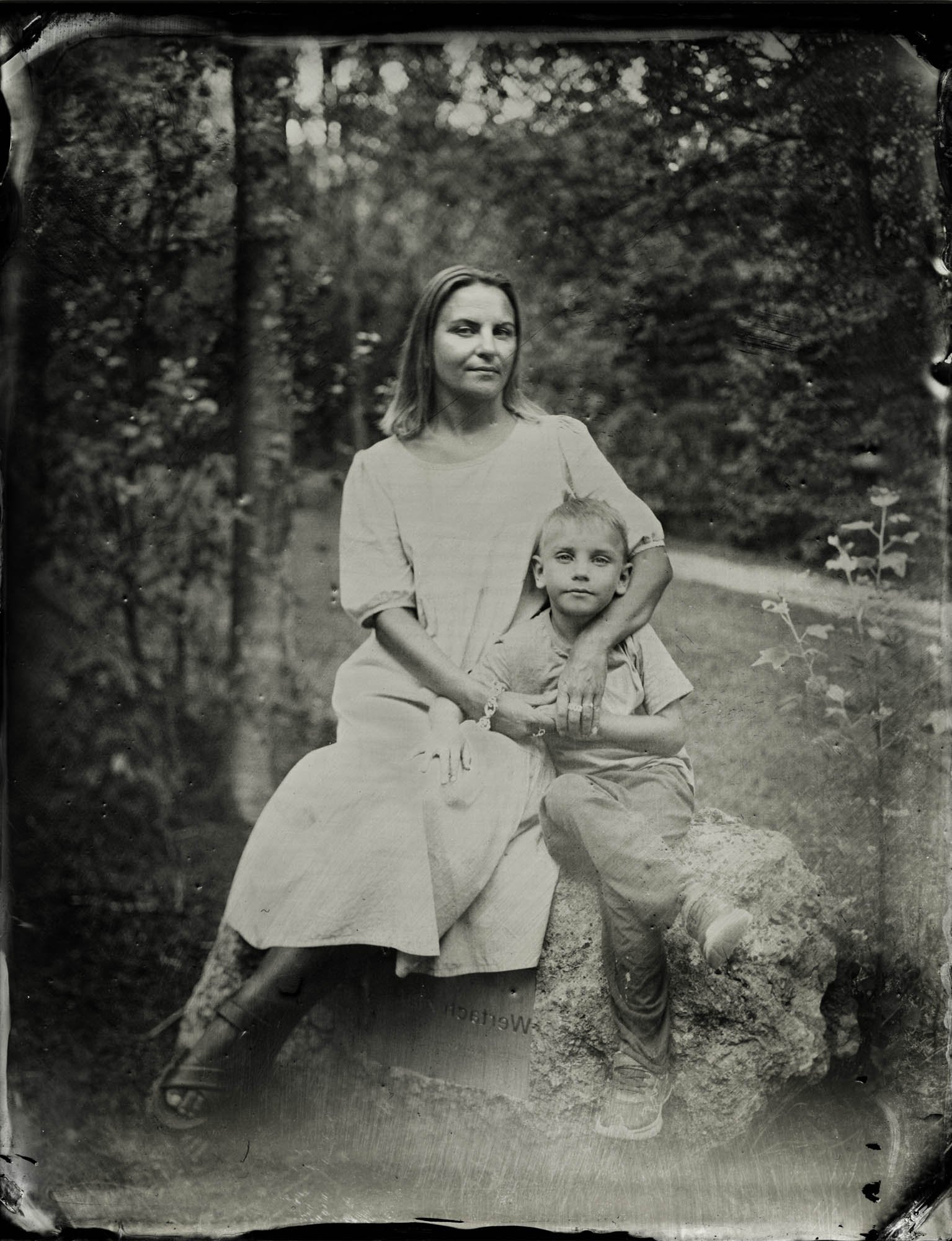
Svitlana & Tihon, wet plate collodion, 10x12cm, 2023
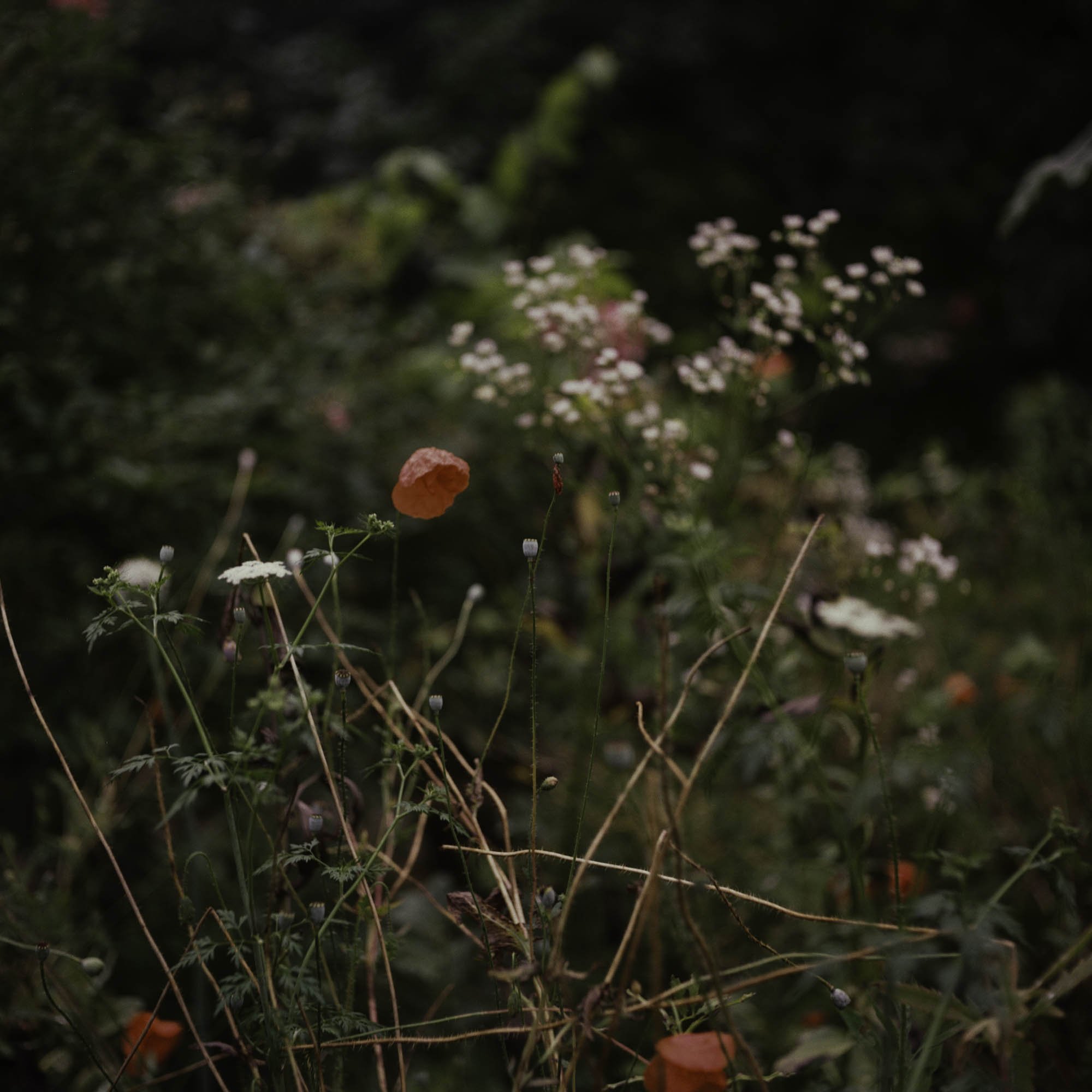
Untitled, archival pigment print, 40x40, 2026
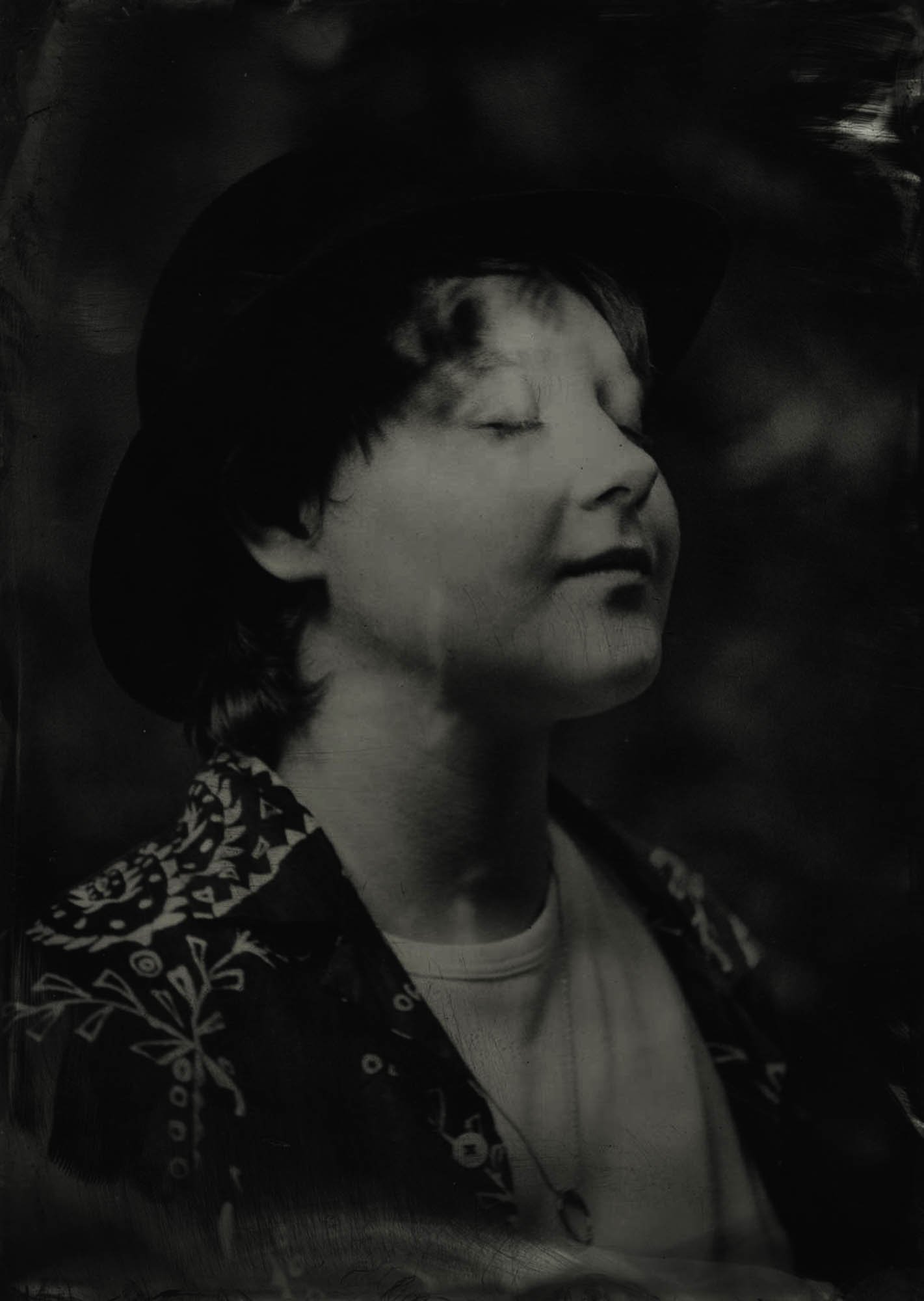
Noel, tintype from a digital image, 12x17cm, 2025